
 EN
EN
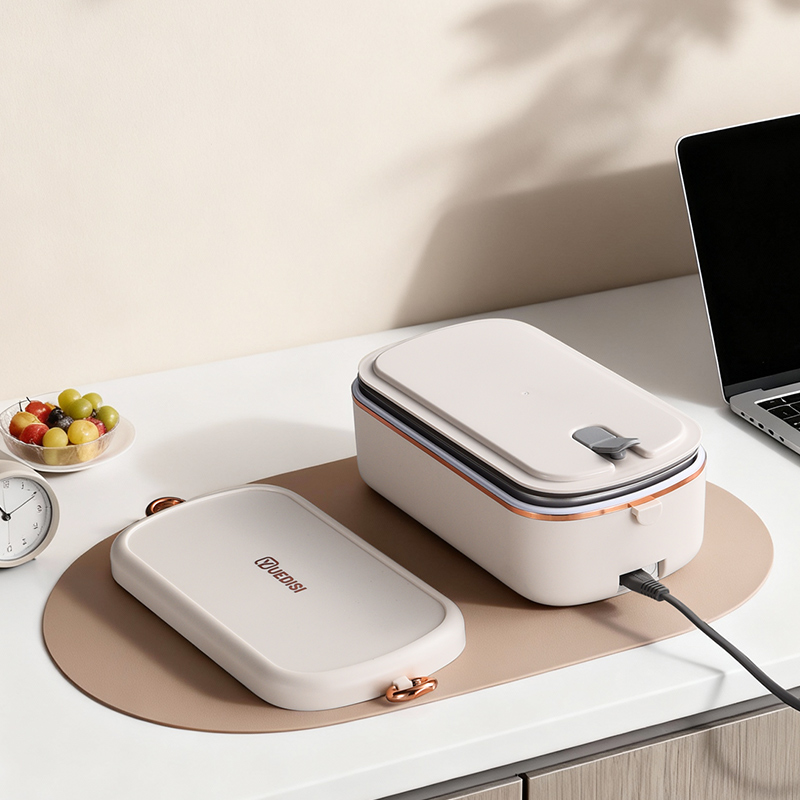
Procurement teams often ask whether the factory can tailor an electric lunch box with a dedicated soup compartment alongside the main rice or meal section. For commuting customers and private-label brands, keeping liquids separate from solids is a real daily need rather than a novelty. This page explains how OEM/ODM customization turns that requirement into a manufacturable, food-safe product built for repeat daily use.
How a Separate Soup Compartment Is Engineered
Separate Soup Compartment Structure
Designing a separate soup compartment starts with the internal cavity layout of the electric lunch box. A fixed compartment divider splits the upper container into a sealed soup well and a dry meal zone, so broths stay away from rice during transit. The divider is molded as part of the shell instead of added later, which keeps wall thickness even and prevents weak joints. Engineers set the soup well depth from the target fill volume and the customer's portion plan, then model how steam and heat move between the two zones. A well-shaped divider also shields the heating plate beneath from liquid ingress, so the structure survives daily use without leaking into the dry side.
Mold Development and Tooling
Custom compartment shapes rarely fit existing tooling, so mold development is the practical gate to a unique product. The factory builds or modifies injection molds so the soup well, divider, and lid seat match the approved three-dimensional model. This step fixes wall uniformity, gasket channels, and the snap path of the lid that keeps the seal compressed. An electric lunch box with a custom cavity needs a mold that holds tight tolerances across thousands of cycles, because a worn cavity drifts the seal line and invites leaks. Buyers should request the mold-flow analysis and cavity drawings during engineering review. Tooling ownership and a maintenance schedule also belong in the contract so production stays stable after the first run.
Leak-Proof Food-Grade Separation
Compartment Divider and Silicone Gasket
Separation only holds if the seal survives shaking and temperature change on the move. A compartment divider pairs with a compressed silicone gasket to form a leak-proof seal around the soup well rim; the gasket deforms just enough to close micro-gaps when the lid locks down. Food-grade material in the gasket and liner means no odor transfer and no plastic taste in hot soup. For an electric lunch box used on trains or buses, the seal must survive repeated tipping without weeping into the dry zone. The factory tests seal compression, lid-lock force, and inverted-leak behavior on samples before approving the design. Choosing the right gasket durometer and a continuous, joint-free ring is the difference between a demo that passes and a product that leaks after a month.
Food-Grade Material and Thermal Insulation
Material choice decides both safety and how long food stays pleasant to eat. Liners and dividers use food-grade material approved for hot contact, with documentation tracing the resin lot back to the supplier for audit. Thermal insulation in the wall and lid slows heat loss so soup arrives warm while the dry side does not steam itself soggy. An electric lunch box benefits from a double-wall air gap plus a heated base, keeping each zone at safe, enjoyable temperatures. Procurement should ask for the food-contact declaration and the material safety data sheet, then confirm the same grade ships in mass production.
Private-Label Production Workflow
One European private-label buyer faced exactly this brief. Background: the brand sold meal solutions to commuting customers who wanted hot soup and rice in one portable unit. Problem: off-the-shelf containers mixed liquids into the rice by mid-morning, and the existing supplier could not separate the zones without leaks. Solution: the factory proposed a custom compartment divider with a silicone gasket seal, ran mold development for a deeper soup well, and validated samples under inverted-leak and heat tests before mass production under private label packaging. Effect: the finished electric lunch box kept soup and rice apart through a two-hour commute, repeat orders rose, and the buyer expanded the line with logo printing the following season.
MOQ, Private Label, Packaging and Logo Printing
Branding moves from drawing to shelf through a defined workflow. MOQ sets the economic batch size, while private label and packaging cover the box, sleeve, and user manual in the buyer's artwork. Logo printing on the lid or shell uses pad, laser, or silk-screen methods chosen by surface and wear needs. An electric lunch box built for a retailer often carries the store brand, a custom color, and a multilingual insert. The factory aligns print position with the mold's flat zones to avoid distortion. Buyers should lock artwork and Pantone references before tooling, because changing a logo after molding means rework or scrap.
Sample Validation and International Standards
Before mass production, sample validation confirms the design against the contract and the relevant standards. The factory works under ISO 9001 quality management and BSCI social compliance, and references CE and IEC for the electrical path plus FDA and LFGB for food contact. An electric lunch box bound for Europe needs the food-contact declaration and the electrical safety file in the shipment folder. Validation covers leak, heating, and drop tests on pilot units, with the report shared for sign-off. Catching a divider or gasket defect at the sample stage costs days; catching it after containers ship costs a season of returns and trust.
Summary
Customization of an electric lunch box with a separate soup compartment is achievable through OEM/ODM, mold development, and disciplined sample validation. Buyers should inspect the compartment divider, silicone gasket, and food-grade material certificates, then confirm leak and heat tests on pilot units. Use the container on a stable surface and avoid overfilling the soup well past the marked line. Maintain the seal by hand-washing the gasket and air-drying, then store the lid slightly open to protect the ring. Working with a certified, experienced manufacturer turns a commuting pain point into a reliable branded product.
Frequently Asked Questions
Question
What determines whether a separate soup compartment can be added to a lunch box?
Answer: The deciding factors are internal cavity space, lid-lock geometry, and the heating plate position. A fixed compartment divider needs room without blocking the heat path or the seal line. The factory reviews the target portion sizes, then models wall thickness and gasket channels in the mold. If the existing shell cannot host a sealed well, mold development creates a new cavity. Food-grade material and a continuous silicone gasket complete the build. Early three-dimensional review prevents costly changes after tooling begins.
Question
Why does mold development matter for a custom compartment shape?
Answer: Mold development fixes the physical tolerances that decide whether a soup well seals and survives daily use. An imprecise cavity drifts the gasket channel, weakens the divider joint, and lets liquid cross into the dry zone. By building or modifying injection molds to the approved model, the factory locks wall uniformity and lid-seat alignment across thousands of units. Requesting cavity drawings and mold-flow analysis during engineering review catches shape problems before steel is cut, saving weeks of rework later.
Question
How does the factory validate samples before mass production?
Answer: Sample validation compares pilot units against the contract and the relevant standards. The factory runs leak, inverted-tip, heating, and drop tests, then shares the report for sign-off. Working under ISO 9001 and BSCI, with CE, IEC, FDA, and LFGB referenced for electrical and food contact, the team confirms the same grade ships in volume. Catching a divider or gasket defect at the sample stage avoids a costly recall after containers leave the port.
Question
Can a buyer request private-label packaging and logo printing?
Answer: Yes. The electric lunch box can carry the buyer's brand through private label artwork, custom packaging, and logo printing on the lid or shell. Pad, laser, or silk-screen methods are selected by surface and wear needs, with print placed on flat mold zones to avoid distortion. Buyers should lock Pantone references and artwork before tooling, because changing a logo after molding means rework or scrap. MOQ defines the minimum economic batch for a branded run.
Question
Where should buyers focus when inspecting a food-grade lunch box?
Answer: Inspection should start with the food-grade material certificate and the food-contact declaration, confirming the same resin ships in mass production. Check the compartment divider for a continuous silicone gasket with no joints, then perform an inverted-leak test with warm water. Verify thermal insulation by measuring temperature drop over a set time. Finally, review the packaging and logo printing for alignment, and keep the sample validation report on file for audits and reorders.