
 EN
EN
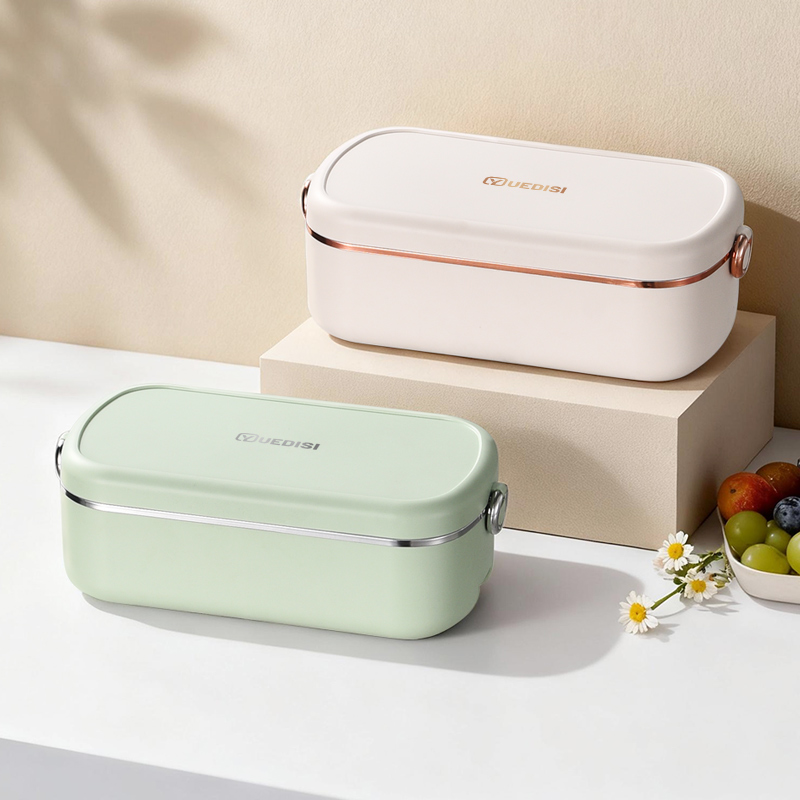
A reliable electric lunch box lets workers eat a hot, safe meal far from a kitchen. For procurement teams and facilities buyers, the real question is not only whether it heats, but whether it holds a safe serving temperature without creating risk. Greatbear-Home builds its portable warmer around two ideas: a focused heating plate and a sealed double-wall shell that slows heat loss. That design philosophy keeps the meal in a controlled warm-hold band from plug-in to lunch break.
How the Heating System Holds Serving Temperature
The Heating Plate and Warm-Hold Cycle
The electric lunch box starts its warm-hold with a flat heating plate mounted beneath the food tray. When plugged in, the plate raises the stainless interior to a serving temperature, then a temperature sensor signals the controller to cycle the power on and off. That cycling is what keeps food in a safe warm band instead of climbing toward unsafe levels. Temperature retention therefore depends less on raw power and more on steady, monitored control. A food warming container gains little from high peaks if the control is poor; steady on-off cycling preserves both the meal texture and the stainless interior.
Why Double-Wall Insulation Matters
Single-wall containers shed heat to the air and cool the meal from the outside in. A well-built electric lunch box uses double-wall insulation that traps a still air gap between the inner and outer shells, so the stainless interior keeps its heat instead of bleeding it outward. Less heat loss means the heating plate runs shorter cycles and the outer surface stays safer to touch. For a lunch box manufacturer, that gap is the difference between a unit that merely warms and one that truly retains. Heat loss through a thin wall also wastes energy and lengthens each warm-up, so the sealed gap pays back across every meal.
Food-Safety Temperature Zones on the Road
Bacteria multiply fastest in the danger zone between cold and hot holding. A dependable electric lunch box pushes the meal above that range and keeps it there through the commute and the wait. Warm-hold control plus a snug silicone seal limits bacterial growth by holding food at a serving temperature rather than letting it sit lukewarm. Food safety is the reason the design targets steady retention, not a one-time high spike. A measured warm-hold keeps the portable food heater in a safe band, while a loose silicone seal lets heat escape and pulls the meal back toward risk.
Power, Voltage, and Use on the Go
Car Adapter and Wide-Voltage Design
Field crews rarely eat near a wall socket. The unit pairs with a car adapter so a vehicle's outlet becomes a meal station, while household use runs from a standard socket. A rugged electric lunch box is commonly rated for wide voltage ranges and carries CE and IEC alignment for electrical safety, with UL-referenced component choices in export markets. A temperature sensor and thermal cutoff keep the portable food heater from drawing excess current when the vehicle engine idles. A temperature sensor that reads the stainless interior prevents runaway draw, and a sound thermal cutoff is the backup that protects the car adapter on long drives.
Correct Daily Use for Safe Retention
Start with room-temperature or pre-heated food rather than frozen blocks, then seal the lid so the silicone seal locks moisture and heat. A trusted electric lunch box performs reliably when placed on a stable surface and set to keep-warm, letting the heating plate bring the tray up gradually. Opening the lid mid-cycle causes heat loss and lets the stainless interior cool, so resist peeking. These habits protect temperature retention and keep the meal safe until eaten. After the meal, wipe the stainless interior and leave the lid ajar so moisture clears; a clean seal supports the next keep-warm cycle and limits bacterial growth.
A Field-Service Team Case and Buying Advice
Experience: A Field Crew Keeps Meals Safe
A regional field-service company faced a simple problem: technicians drove between sites all day and ate cold, risky takeout. The solution was issuing each vehicle an electric lunch box with a car adapter and double-wall insulation. From background to outcome, the change was clear: meals stayed in a safe warm-hold, bacterial growth dropped because food never lingered in the danger zone, and morale improved. The effect shows how steady thermal retention supports both safety and routine. The same logic helps office workers who heat a packed meal at the desk and avoid the lukewarm gap that invites bacterial growth during a busy afternoon.
Inspect, Buy, and Maintain With Confidence
Choose a lunch box manufacturer that runs ISO 9001 quality systems and BSCI social auditing, and that documents FDA- and LFGB-aligned food contact for the stainless interior. On incoming inspection, check the silicone seal, the lid closure, and that the heating plate sits flush. For maintenance, wipe the interior after each use, never submerge the base, and store dry. These steps preserve thermal retention and extend safe service life without voiding anything. Request a sample before a large order and verify the heating plate and silicone seal under repeated cycles; a lunch box manufacturer with BSCI and ISO 9001 discipline tends to hold thermal retention claim after claim.
Summary
Choosing the right electric lunch box means looking past the warm-up claim and judging thermal retention as a system: a monitored heating plate, a sealed double-wall shell, and a reliable keep-warm setting. Greatbear-Home's approach pairs ISO 9001 production discipline with CE, IEC, FDA, and LFGB-aligned choices so buyers get predictable, safe warmth. For offices and field crews alike, that combination turns a simple warmer into dependable daily protection.
Frequently Asked Questions
Question
What makes the double-wall design keep food warm?
Answer: A sealed electric lunch box relies on double-wall insulation that traps a still air gap between the inner and outer shells, so heat stays with the meal instead of escaping. The stainless interior holds temperature while the outer wall stays cooler and safer to handle. With a heating plate and temperature sensor, the gap cuts heat loss and shortens cycles. That is why a sealed shell matters more than raw wattage for steady, safe retention.
Question
Why does holding temperature protect food safety?
Answer: Food left in the middle range lets bacterial growth accelerate, which raises illness risk. A portable food heater that holds a serving temperature keeps meals above the danger zone instead of letting them cool and sit. The silicone seal helps by trapping heat and moisture, while warm-hold control avoids overheating. Keeping food hot until eaten is the simplest, most reliable defense for crews and office staff who eat hours after packing.
Question
How should the unit be operated on the road?
Answer: Use the car adapter in a vehicle outlet or a standard socket at a desk, then select warm-hold rather than maximum heat. Pack food that is already warm or at room temperature, seal the lid, and place the unit on a flat surface. Avoid opening the lid during the cycle, since that causes heat loss and cools the stainless interior. Simple routines like these protect temperature retention and keep every meal in a safe zone.
Question
Can a car adapter power the heater safely?
Answer: Yes, when the product is built for vehicle use and carries CE and IEC electrical alignment with a thermal cutoff. The car adapter connects to a vehicle outlet and the temperature sensor limits current draw so the portable food heater will not overload the socket. Buyers should confirm certification and inspect the plug and seal before use. Safe on-the-go warming depends on matched voltage design and proper component choices, never on makeshift wiring.
Question
Do temperature sensors prevent overheating?
Answer: Temperature sensors watch the stainless interior and signal the controller to pause the heating plate once a serving temperature is reached. That prevents overheating and reduces heat loss from repeated high spikes. A thermal cutoff adds backup protection if the sensor fails. Together they keep the portable food heater in a safe warm-hold band, which is why certified designs matter for daily, unattended use away from a kitchen.