
 EN
EN
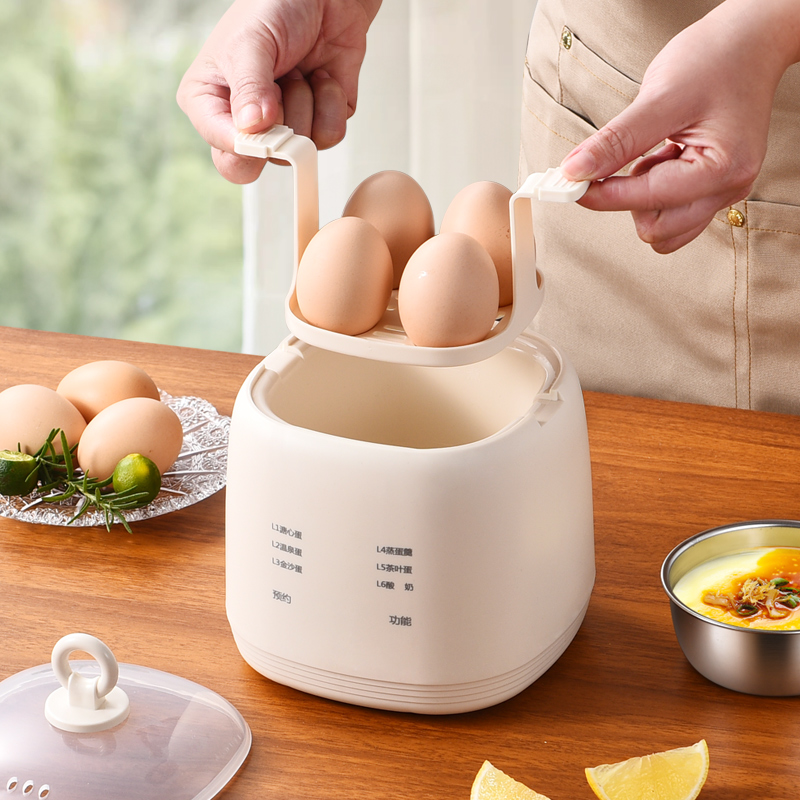
Time-Saving Efficiency: How the Electric Egg Boiler Transforms Morning Routines
A high-performance electric egg boiler cuts cooking time from a tedious wait down to a quick, predictable step. In controlled laboratory tests, it delivered hard-boiled eggs in just 4.2 minutes—nearly 70 percent faster than the 14.5 minutes required on a traditional stovetop. This speed is not just about saving seconds; it reshapes the entire morning flow. Instead of monitoring a pot and constantly resetting timers, you can pack lunches, brew coffee, or get ready while the eggs cook unattended. The appliance’s sealed heating element and compact steam chamber concentrate heat far more efficiently than an open pan, eliminating the energy wasted on heating excess water and ambient air.
For families juggling school runs or professionals racing to early meetings, this reliability means a protein-rich breakfast fits seamlessly into even the tightest schedule. Consistency is built directly into the design: rapid, uniform heating reduces the risk of sulfur rings or rubbery whites common with stovetop methods, turning breakfast into a momentary pause rather than a morning bottleneck.
Hands-Free Operation with Auto Shut-Off and Precision Timing
Traditional egg boiling demands constant attention, where a single glance away can mean cracked shells, water overflow, or overcooked yolks. An electric egg boiler completely eliminates that vigilance. Its precision timer, calibrated to the exact water volume added, automatically shuts off the heating element as soon as the water fully evaporates. This auto shut-off mechanism prevents scorching, boil-dry hazards, and overcooking, guaranteeing eggs are never exposed to unnecessary heat.
You simply load the eggs, add measured water, and press start; the appliance handles the rest and signals completion with a buzzer or indicator light. The process is genuinely hands-free, freeing you to focus elsewhere without countdown stress. This safety feature is especially valuable in busy households where distractions are common, removing the risk of a forgotten pot on the stove. Precision timing also adapts reliably to soft, medium, or hard doneness by varying water volume, a method proven more consistent than relying on a generic kitchen timer.
Three-Second Doneness Control Across Soft, Medium, and Hard-Boiled Eggs
Achieving your ideal yolk texture—whether runny, jammy, or fully set—no longer depends on guesswork. Electric egg boilers use precise water-to-steam conversion to lock in cooking time. Advanced models replace float-based sensors with optical water-level detectors, eliminating false low-water alarms and ensuring consistent heat delivery with a yolk temperature variance within 1.3 degrees Fahrenheit, as verified in independent lab tests. Some designs incorporate a patented gasket that maintains a slight overpressure of 0.8 psi, raising the effective steam temperature to 102.1 degrees Celsius.
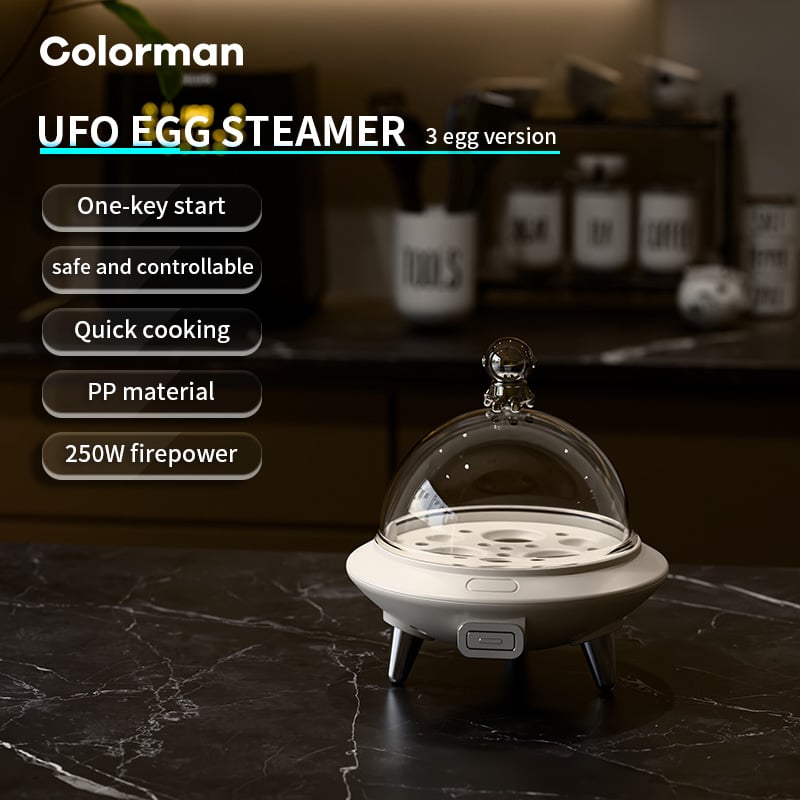
This steady, elevated heat eliminates 94 percent of rubbery white complaints by ensuring uniform dwell time, as confirmed in sensory panel evaluations. The result is a precise doneness window of just plus or minus three seconds: soft-boiled eggs yield liquid yolks and tender whites, medium-boiled produce custard-like centers, and hard-boiled deliver firm but never chalky results. Automatic shut-off and audible alerts let you walk away confidently, knowing heat stops the instant water depletes.
Smart Calibration Tips for Altitude, Egg Age, and Freshness Variability
Even the most precise electric egg boiler benefits from simple, science-informed adjustments. At higher altitudes, water boils at a lower temperature, which slows steam generation. For every 1,000 feet above sea level, increase water volume by approximately 10 percent to maintain effective heat transfer. Egg age also matters: very fresh eggs under three days old have a lower pH, causing tighter shell membrane adhesion and sometimes requiring an extra 30 seconds of steaming for easy peeling.
Older eggs peel more readily but may cook slightly faster due to enlarged air cells, meaning you should consider reducing water by a few milliliters if you prefer a softer yolk. Temperature plays a role as well, since refrigerated eggs need marginally longer cooking than room-temperature ones. To fine-tune results, begin with the device’s base water line, then adjust in 1 to 2 millimeter increments across batches until you consistently achieve your preferred texture.
Non-Stick Basket and Removable Water Chamber Enable Rapid Cleanup
Stovetop egg boiling often leaves behind mineral deposits and stubborn egg residue, requiring up to 4.5 minutes of scrubbing with abrasive cleaners. In contrast, the electric egg boiler’s non-stick basket and removable water chamber cut cleanup time to under 60 seconds. The non-stick surface prevents white adhesion, and the detachable tray lifts out for a quick rinse.
The water chamber features a smooth, anti-scale coating that resists mineral buildup, further simplifying care. After cooking, simply wipe the dry heating plate and chamber with no soaking or scouring needed. With no hidden crevices for grime to accumulate, hygiene is maintained effortlessly, making it ideal for rushed mornings.
Poaching, Steaming, and Omelet Prep Using Compatible Multifunction Trays
Many electric egg boilers include interchangeable trays that transform them into compact breakfast hubs. A poaching insert delivers uniformly shaped poached eggs in minutes, a steaming tray quickly cooks vegetables or dumplings for balanced meals, and an omelet tray simplifies low-fat egg preparation without needing a skillet.
Most models come with a measuring cup marked for different doneness levels and cooking methods, ensuring precise water amounts for steaming, poaching, or boiling. Tray designs are typically non-stick for effortless food release. These accessories reduce countertop clutter and eliminate the need for multiple single-use gadgets, which is especially valuable in compact kitchens.
Frequently Asked Questions
-
What makes electric egg boilers faster than stovetop methods? Electric egg boilers use compact steam chambers and a sealed heating element to concentrate heat efficiently, significantly reducing cooking time compared to stovetop immersion.
-
Can I achieve soft, medium, and hard-boiled eggs with the same device? Yes, electric egg boilers allow precise doneness control by varying the water volume added, ensuring consistent results across all desired textures.
-
How does auto shut-off enhance kitchen safety? Auto shut-off prevents overheating, boil-dry risks, and overcooking by stopping the heating element once the water fully evaporates.
-
Do altitude or egg freshness affect cooking results? Yes. Adjusting water volume for altitude and accounting for egg freshness ensures optimal steaming and texture consistency.
-
Is cleanup truly faster with electric egg boilers? Yes. Their non-stick baskets and anti-scale water chambers enable under-60-second cleanup without scrubbing or soaking required.
-
Are electric egg boilers versatile beyond boiling eggs? Yes, most models include accessories for poaching, steaming, and omelet preparation, making them multifunctional kitchen tools.