
 EN
EN
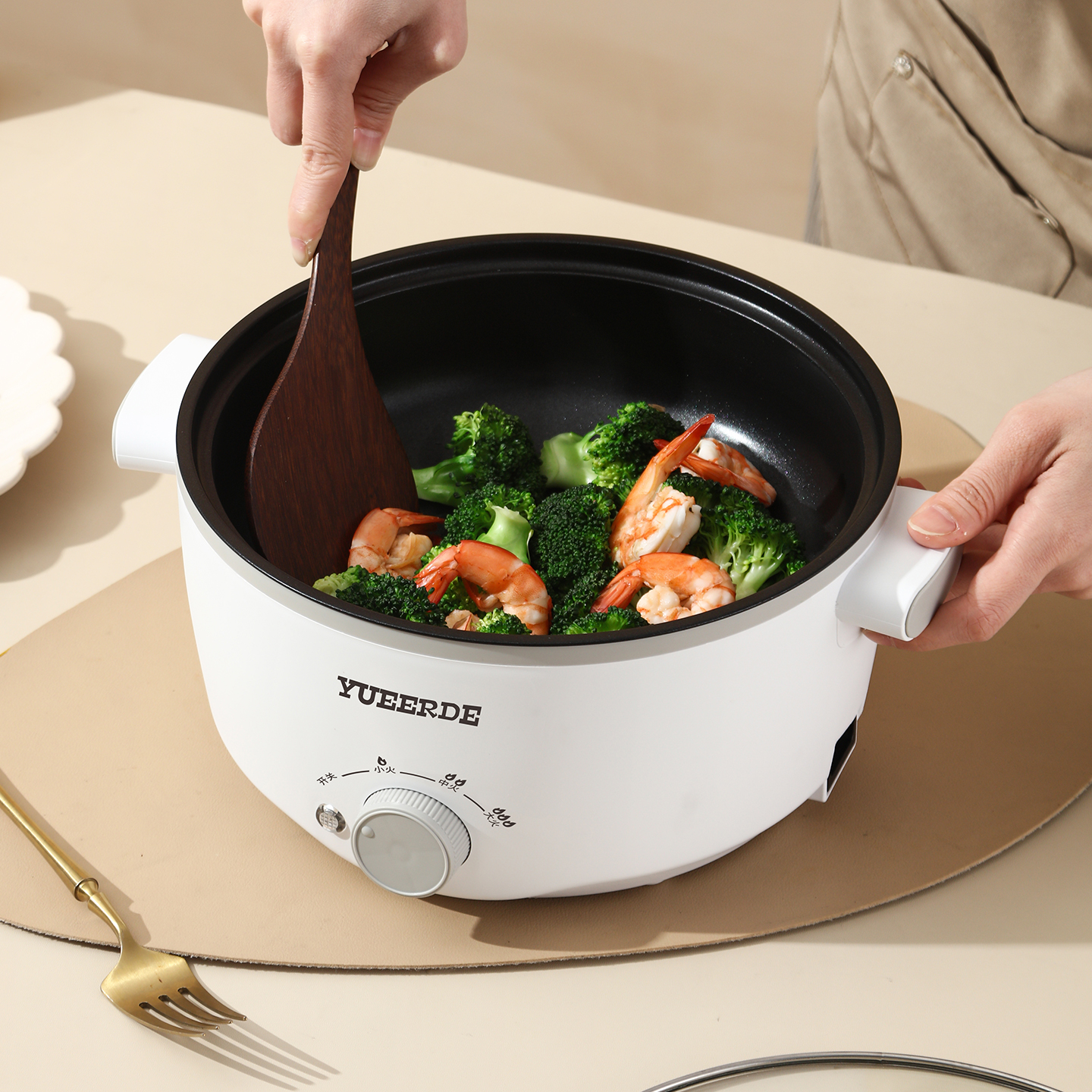
Greatbear-Home has spent two decades as a kitchen appliance manufacturer in Chaozhou, building small kitchen appliance lines that reach households and resellers across many markets. A dependable electric cooking pot is rarely the result of one clever component; consistent performance comes from disciplined engineering combined with strict factory quality control. Procurement teams that source from an export-focused workshop usually ask a single practical question: will the unit behave the same on the hundredth meal as it did on the first? The answer lies in thermal design, protection circuits, and incoming inspection discipline rather than in marketing language.
Thermal Management Starts With the Heating Element
How the Heating Element Delivers Even Heat Distribution
Stable cooking depends first on the heating element and how it spreads warmth across the base. In a well-built electric cooking pot, the element is seated so that heat reaches the entire cooking surface instead of concentrating at one spot. Even heat distribution prevents hot patches that scorch food and cold zones that leave meals undercooked. A flat, bonded element paired with a base plate transfers energy uniformly and keeps thermal stress low. When the base plate is properly machined and clamped, the element endures longer. Procurement buyers should ask how the element is fixed to the base, because that joint decides whether performance remains steady after months of daily heating cycles.
The Role of the Thermostat and Thermal Cutoff
Temperature accuracy comes from the thermostat that senses base temperature and cycles power to hold a set point. A precise thermostat keeps simmering gentle and boiling controlled, protecting food texture and the appliance. Behind it sits a thermal cutoff, a safety device that opens the circuit if temperature climbs past a safe limit. The thermal cutoff is the final defence when a thermostat sticks. For an electric cooking pot, this two-tier temperature control system holds output steady across batches instead of letting heat drift. A kitchen appliance manufacturer that documents these components and tests them under IEC and CE frameworks gives buyers measurable confidence rather than vague promises.
Protection Circuits Guard Against Daily Risks
Boil-Dry Protection and Overheat Protection
Empty or low-water operation is the most common way a small kitchen appliance fails on the bench. Boil-dry protection detects when the base overheats because liquid is gone, then cuts power before damage spreads. Overheat protection works alongside it, watching the element zone and tripping if airflow is blocked or the unit sits on a soft surface. These circuits matter because field failures rarely come from normal cooking; they come from forgetful moments and poor placement. A travel electric cooker carried between dorm, office, and hotel room—along with any electric cooking pot used daily—faces exactly these conditions, so robust protection is not optional. Buyers should confirm that protection resets safely and that the design meets UL and CE expectations for thermal safety.
Wide Voltage Compatibility for Travel Use
Travellers and exporters face a real problem: wall power differs from region to region, and a device tuned for one range can struggle elsewhere. Voltage compatibility is solved with a wide-input power supply or a switchable design that accepts common global ranges without rewiring. The power rating stays managed so the element draws what the local circuit allows while keeping heat output consistent. A travel electric cooker built this way works in a dorm, an office, or a hotel without a bulky transformer. Portable design also means the base, lid, and cord pack compactly and survive transit. For any electric cooking pot sold across markets, confirming the rated input label and certification marks is a basic but essential inspection step.
Factory Quality Control Behind Consistency
Incoming Inspection Under ISO 9001 and 6S Management
Consistent results are decided long before assembly, during incoming inspection of every batch of raw parts. Under ISO 9001 process discipline, incoming inspection checks heating elements, switches, coatings, and seals against approved samples and specifications. The factory applies 6S management to keep the line organised, clean, and traceable, which reduces mix-ups that cause field failures. BSCI-aligned social compliance adds another layer of accountability for procurement teams that must report responsibly sourced supply. When a kitchen appliance manufacturer records incoming inspection results and ties them to production lots, a buyer can trace a performance complaint back to its root cause. For an electric cooking pot, this traceability turns a vague quality claim into documented control.
Food-Grade Coating and Build Verification
Food contact safety is non-negotiable for any cookware. The food-grade coating on the cooking surface must resist scratching, flaking, and high heat while staying inert with acidic meals. Verification includes coating thickness checks, adhesion tests, and compliance references to FDA and EU food-contact rules such as LFGB. Build verification also covers the lid seal, handle fixation, and cord strain relief, because a stable electric cooking pot is only as reliable as its weakest joint. CE and LFGB documentation lets buyers confirm the unit meets the markets they serve. Asking a supplier for the test records and certification folder is practical due diligence that separates serious manufacturers from trading companies that merely relabel stock.
Summary
Stable performance is never an accident; it is engineered and then protected at every stage of production. From a well-seated heating element and precise thermostat to a thermal cutoff and boil-dry protection, each layer keeps the appliance safe and predictable. Wide voltage compatibility and a portable design extend that reliability to travel and shared spaces. Behind the product, ISO 9001 incoming inspection and 6S management give the consistency that procurement teams can verify. A carefully built electric cooking pot therefore performs the same on the first meal and the thousandth, which is the real measure of a trustworthy kitchen appliance manufacturer.
Frequently Asked Questions
Question
What makes the temperature control system reliable?
Answer: The temperature control system relies on a calibrated thermostat paired with a thermal cutoff for backup. The thermostat cycles power to hold a set point, while the cutoff opens the circuit during abnormal heat. Greatbear-Home validates both parts through incoming inspection and tests them under IEC and CE frameworks. Stable readings across batches depend on documented calibration and traceable lots. Buyers should request test records and confirm the rated range matches the intended cooking use.
Question
Why does boil-dry protection matter for daily use?
Answer: Boil-dry protection matters because empty or low-water operation is a leading cause of failures in a small kitchen appliance. When liquid runs out, the base overheats and can warp the element. The circuit senses that rise and cuts power before harm spreads. Overheat protection adds a second safeguard if airflow is blocked. These layers keep users safe during forgetful moments and protect product reputation. Confirming trip behaviour during incoming inspection is a practical step for volume buyers.
Question
How does the factory verify heating-element quality?
Answer: Verification starts with incoming inspection of every element batch against approved samples. Technicians check resistance, seating flatness, and bond strength, then run heating-cycle tests on a sample lot. A kitchen appliance manufacturer under ISO 9001 records results and ties them to the production lot for traceability. Food-grade coating checks follow the same discipline. Buyers gain confidence when the supplier shares the test report and certification folder rather than vague assurances about reliability.
Question
Can the travel electric cooker handle wide voltage ranges?
Answer: A travel electric cooker pairs a wide-input design with a managed power rating so it works across regions without a transformer. Voltage compatibility comes from a switchable or wide-range supply that keeps heat steady. For an electric cooking pot sold internationally, this avoids burnout from mismatched inputs. CE and UL marks on the rating label confirm a passed safety review. Buyers should verify the local plug and cord specification, since connector standards differ between markets.
Question
Where should the appliance be placed during operation?
Answer: Placement affects safety and performance more than users expect. The appliance should sit on a flat, stable, heat-resistant surface with clearance around the base for airflow. Soft beds, enclosed shelves, or curtains block ventilation and can trigger overheat protection. A portable design helps, yet the cooking zone needs open space. Keeping controls clear of steam protects the thermostat from early wear. Buyers should include a usage card in packaging so end users avoid placement mistakes behind avoidable service calls.