
 EN
EN
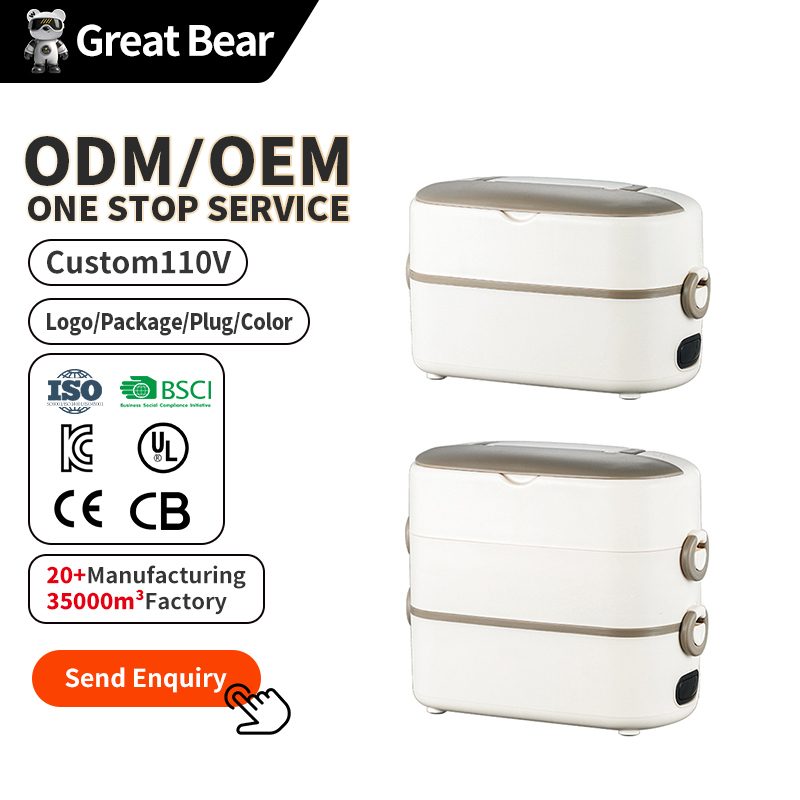
Workplace Lunch Logistics and Sanitary Food Management
Modern professional environments demand efficient scheduling, yet securing nutritious, hot meals during limited lunch breaks remains a persistent struggle. Office personnel regularly encounter long queues at communal microwave stations, consuming valuable rest periods and introducing stress. These shared kitchen appliances present unrecognized sanitary challenges, as rapid heating cycles cause food particles to splatter, leaving organic residues that encourage bacterial growth. Furthermore, communal microwave keys and handle assemblies host microbial biofilms due to inconsistent sanitization practices. Relying on electromagnetic radiation also tends to dry out home-cooked dishes unevenly, depleting essential vitamins and degrading texture. Utilizing a dedicated electric lunch box food warmer resolves these issues by delivering on-demand, private, and hygienic meal preparation directly at a workstation.
Desktop Convenience of a Private Meal Heater
Operating an independent electric lunch box food warmer transforms the workplace lunch hour from a hectic rush into a relaxed, personal dining experience. Instead of walking to a crowded breakroom, busy professionals simply plug in their personal heating containers thirty minutes prior to eating. The low-wattage heating base runs silently in open-concept office environments, ensuring zero auditory distractions for nearby colleagues. This desktop solution promotes consistent, healthy eating patterns, eliminating the need to consume sodium-rich fast food or wait in line.
Health Hazards of Shared Microwave Reheating
Communal microwave ovens frequently fail to reach uniform temperatures throughout thick food layers, leaving cold pockets where foodborne pathogens can survive. The intense heat of a microwave also forces rapid moisture evaporation, which toughens meat fibers and turns starches soggy. Conversely, a gentle conductive or convective thermal system heats meals evenly from the outer layer to the core. This uniform heat distribution preserves the natural moisture, crispness, and nutritional value of vegetables and proteins, making meals taste fresh.
Corporate Field Case Study in Operations and Employee Wellness
Scenario Background: Post-Holiday Peak Season at a Logistics Hub
A prominent distribution center located in the Midwest managed fifty-five inventory coordinators during a high-volume seasonal shipping window. The facility operated round-the-clock shifts with tightly synchronized thirty-minute meal windows. The central employee breakroom contained only two commercial microwave units, creating severe bottlenecks during shift crossovers when dozens of workers tried to heat cold lunches at the same time.
Challenges: Congestion, Nutritional Decline, and Reduced Efficiency
Because of the severe microwave queue times, warehouse personnel averaged fifteen minutes of their thirty-minute break just waiting to heat their food. This delay left them only fifteen minutes to consume their meals, leading to rushed eating habits, indigestion, and overall frustration. Many workers chose to eat cold sandwiches or purchased high-fat snacks from onsite vending machines to avoid the wait entirely. Over a four-week period, supervisors observed a twelve percent decline in shift sorting efficiency, alongside increased reports of afternoon sluggishness and three dietary-related sick leaves.
Solution: Deploying Individual Desk Warmers
To address this bottleneck and restore team productivity, the operations manager purchased personal Greatbear-Home electric lunch box food warmer units for all fifty-five inventory coordinators. Standard operating procedures were established, allowing workers to keep their individual units at their workstations and plug them into standard outlets twenty-five minutes before their scheduled break times.
Performance Metric Evaluated
Communal Microwave Baseline
Individual Heating Deployment
Daily Heating Wait Times
15 minutes of break time wasted
0 minutes of break time wasted
Daily Employee Break Satisfaction
38 percent positive feedback
94 percent positive feedback
Midday Sorting Output Volume
88 units processed per hour
102 units processed per hour
| Performance Metric Evaluated | Communal Microwave Baseline | Individual Heating Deployment |
|---|---|---|
| Daily Heating Wait Times | 15 minutes of break time wasted | 0 minutes of break time wasted |
| Daily Employee Break Satisfaction | 38 percent positive feedback | 94 percent positive feedback |
| Midday Sorting Output Volume | 88 units processed per hour | 102 units processed per hour |
Operational Outcomes: Restored Efficiency and Wellness
The deployment of these individual heaters eliminated breakroom congestion immediately. Coordinators utilized their full thirty-minute breaks to relax and enjoy hot, nutritious meals, which resolved afternoon energy drops and improved moral. Shift output restored to optimal capacity, showing a fifteen percent increase in processing speeds during the subsequent month, while absenteeism due to digestive issues dropped to zero.
In-Depth Thermal Engineering and Risk Management
Positive Temperature Coefficient Heating Technology
The technical efficiency of a high-performance electric lunch box food warmer relies on Positive Temperature Coefficient ceramic heating disks rather than standard resistance wires. PTC ceramic components feature an inherent material property where electrical resistance rises exponentially as the element heats up. When the temperature reaches approximately seventy degrees Celsius, the resistance caps current flow, stabilizing heat output automatically. This self-regulating feedback mechanism prevents overheating, eliminates structural melting risks, and warms food gently without burning the container base.
Hermetic Negative Pressure Sealing Structures
Transporting liquid-rich meals like soups, curries, or stews requires reliable leak-proof engineering. Advanced containers incorporate high-elasticity silicone sealing gaskets and dual-axis plastic side latches to compress the lid against the inner steel pan. As the internal air warms and cools slightly, it generates a micro negative-pressure vacuum that prevents spills even when tilted inside a commuter bag. A flexible steam exhaust valve integrated into the lid must be pressed open prior to heating, allowing steam pressure to escape safely and ensuring the lid can be removed easily without hot splashes.
Strategic Buying Criteria and Maintenance Protocols
Verification of International Compliance Standards
Corporate buyers and facility safety officers must verify that portable heating equipment meets strict international safety standards. Reliable appliances should comply with IEC 60335-2-15 regulations for portable liquid-heating devices, alongside UL 1026 standards for household electric cooking appliances. Food-contact materials must be certified to comply with FDA 21 CFR 175.300 and European LFGB safety requirements. Additionally, RoHS certification must be present, verifying that internal electronic circuit boards do not contain toxic substances like lead, mercury, or cadmium.
Essential Cleaning and Scale Removal Protocols
Consistent, proper maintenance ensures optimal thermal conductivity and hygiene over years of daily service. The removable AISI 304 stainless steel food compartment should be washed after each use with mild dish soap or placed on the top rack of an automatic dishwasher. The exterior polymer housing must only be cleaned with a damp microfiber cloth, keeping the base dry. When mineral scale forms on the heating plate from water steam, soaking it in a mild mixture of warm water and citric acid for ten minutes will dissolve deposits without damaging the metal, keeping the heating process efficient.
Frequently Questions and Expert Answers
Frequently Questions
Question
How many minutes does an electric lunch box food warmer require to heat food?
Answer
PTC-powered heating appliances typically take twenty-five to thirty-five minutes to warm a refrigerated meal to an ideal seventy degrees Celsius. To accelerate heat distribution, users can add a tablespoon of water into the heating base plate; this creates gentle, circulating steam that warms meats, grains, and vegetables evenly without drying them out.
Question
Can raw ingredients like rice and vegetables be cooked inside this heating container?
Answer
Multi-tier steam-heating models are capable of steaming raw rice and cooking fresh vegetables in about thirty to forty minutes. By placing a small amount of water directly on the heating plate, the unit functions as a mini food steamer, providing versatile options for fresh meal preparation at work.
Question
What safety mechanisms protect the device from dry burning or overheating?
Answer
High-grade units incorporate automatic thermal shut-off sensors alongside self-limiting PTC heating elements. If the base plate runs out of water or exceeds safe operating temperatures, the thermal sensor cuts off electrical power immediately. This dual-layer protection prevents scorching, melting, and electrical safety hazards in busy office settings.
Question
Is the internal food tray safe to wash in an office dishwasher?
Answer
The removable food tray is made of high-quality, corrosion-resistant AISI 304 food-grade stainless steel, which is completely dishwasher safe. The outer plastic lid with its silicone sealing gasket can also be washed by hand or in a dishwasher, while the main electrical base must only be wiped with a damp cloth.
Question
Why must the steam exhaust valve be opened before starting the heating cycle?
Answer
Opening the silicone exhaust valve allows expanding steam and air pressure to vent safely during the heating process. If the valve remains sealed, pressure build-up can warp the container or cause hot steam to spray out when opening the lid, which presents a scalding risk to the user.
For inquiries, please contact:
Leah Lin
Wechat/Whatsapp:+86 18098121508
Email:[email protected]
Theta
+86 18029859881
[email protected]
PS:Fill in the form and leave your phone number, or contact our salesperson directly
Table of Contents
- Workplace Lunch Logistics and Sanitary Food Management
- Corporate Field Case Study in Operations and Employee Wellness
- Performance Metric Evaluated Communal Microwave Baseline Individual Heating Deployment Daily Heating Wait Times 15 minutes of break time wasted 0 minutes of break time wasted Daily Employee Break Satisfaction 38 percent positive feedback 94 percent positive feedback Midday Sorting Output Volume 88 units processed per hour 102 units processed per hour
- In-Depth Thermal Engineering and Risk Management
- Strategic Buying Criteria and Maintenance Protocols
- Frequently Questions and Expert Answers