
 EN
EN
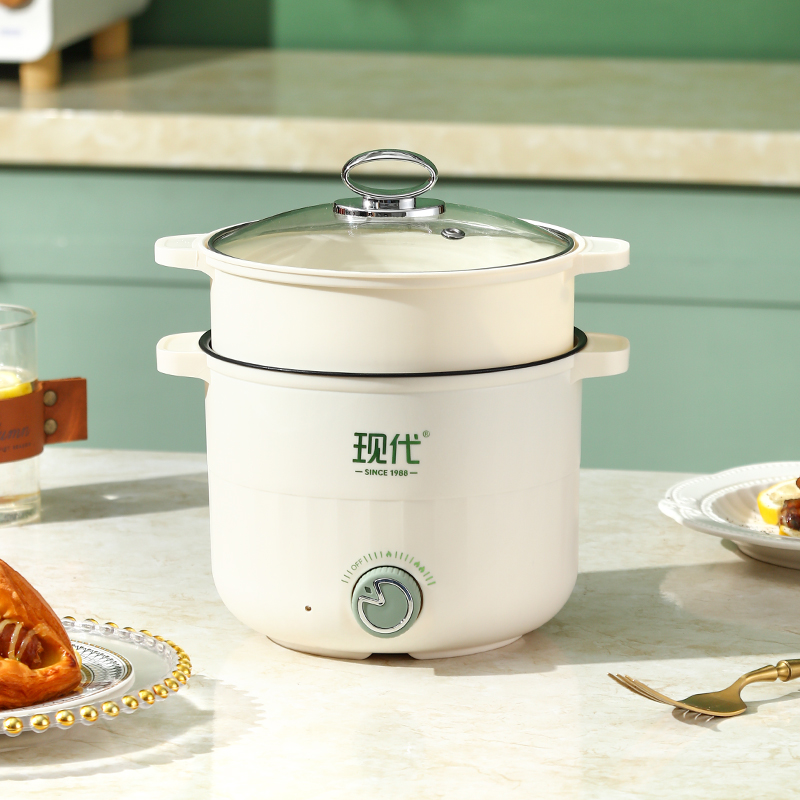
Why Steaming Uses Significantly Less Power Than Boiling
Steaming is significantly more energy-efficient than boiling due to the fundamental physics of phase change rather than simple vapor conductivity. Boiling demands continuous energy input to heat and maintain a large volume of water at 100 degrees Celsius, constantly fighting convective and evaporative heat losses. In contrast, steaming utilizes only a minimal amount of water; once vaporized, steam carries a latent heat of approximately 2,260 joules per gram, which is released directly onto food when condensation occurs. This thermodynamic transfer delivers far more thermal energy per gram than sensible heating while completely avoiding the massive power waste required to heat excess water. In compact multifunction hotpots, steaming heats just a thin water layer intermittently, whereas boiling sustains a full-volume rolling boil, making boiling inherently less efficient for daily meal preparation.
Measured power consumption confirms this clear advantage: steaming typically operates at 300 to 400 watts, which is entirely sufficient to generate steady steam from a minimal water reservoir. Boiling requires 600 to 800 watts to rapidly heat and sustain a larger water volume, especially after cooler ingredients are introduced. The lower wattage required for steaming is not a performance compromise; rather, it reflects the high efficiency of condensation-based thermal transfer. This reduction in power translates directly into lower energy consumption per minute, making steaming the most economical and appliance-friendly choice for everyday cooking tasks in compact multifunction electric hotpots.
How Multifunction Mini Hotpots Manage Dual-Gear Power Allocation
Modern compact cooking appliances utilize intelligent microcontroller logic to manage dual-gear power allocation seamlessly. Most devices feature two independent heating elements—one optimized specifically for steaming and another for boiling. Based on the user's mode selection and real-time sensor feedback tracking temperature and water levels, the internal controller dynamically allocates power, assigning 300 to 400 watts for steaming alone or up to 600 to 800 watts for boiling. In simultaneous operation modes, the system prioritizes overall performance while staying strictly within safe electrical limits, typically capping total draw at 900 watts. For instance, the controller might assign 450 watts to steaming and 350 watts to boiling, adjusting output every few seconds to maintain stability and prevent dry-boil conditions. This adaptive control ensures consistent cooking performance without overloading household electrical circuits.
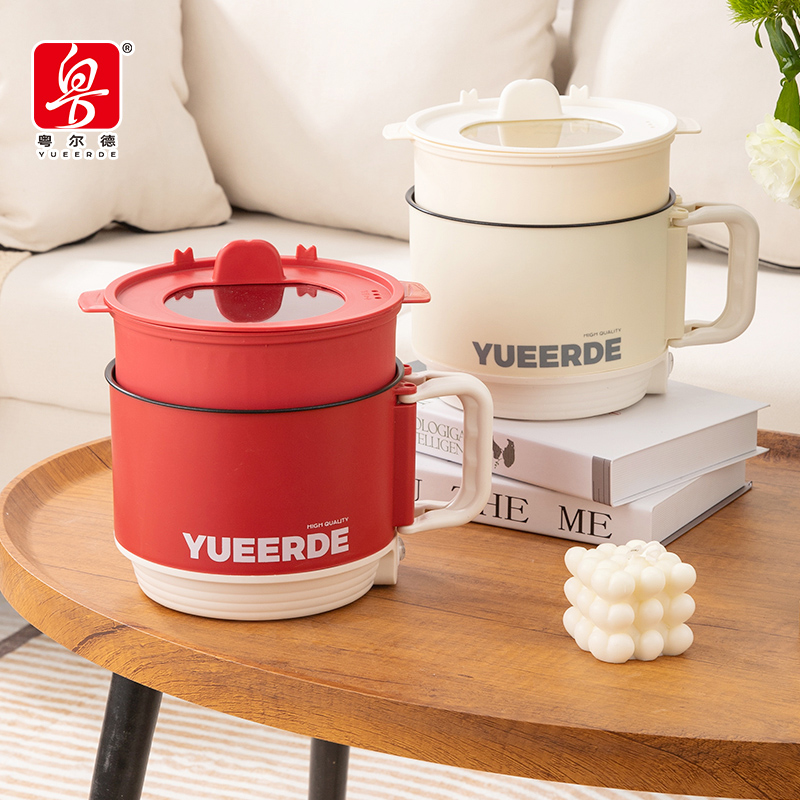
A representative dual-zone appliance design features a 450-watt steaming element and a 750-watt boiling element while enforcing a hard 900-watt total cap. When both cooking zones run concurrently, the microcontroller reduces boiling power to 500 watts while preserving full steam output. Separate temperature sensors feed continuous data to the controller, enabling precise, second-by-second adjustments. Furthermore, built-in safety mechanisms automatically cut power to the boiling element if water depletion is detected, preventing thermal damage before critical temperature thresholds are reached. This design delivers true multitasking capabilities, such as steaming dumplings while boiling noodles, with exceptional efficiency and reliability.
Performance and Safety Implications of Power Differentiation
The distinct power profiles of steaming and boiling modes directly shape cooking precision, appliance longevity, and user safety. Boiling's higher wattage draw creates rapid thermal surges that subject heating elements and surrounding housing materials to significant stress. According to international safety standards like IEC 60335-2-15, dry-burn protection must activate within 30 seconds of water loss, typically triggered around 170 degrees Celsius. However, repeated dry-boil events degrade thermal fuses and can induce micro-cracks in ceramic coatings, accelerating long-term appliance failure. Sudden high-current demand may also trip circuit breakers in older residential wiring setups. To mitigate these risks, leading manufacturers deploy dual-sensor systems that monitor both temperature and water level simultaneously, minimizing false triggers and extending operational service life.
Conversely, steaming's stable low-power operation delivers steady heat, eliminating thermal spikes and enabling fine-grained temperature control for delicate foods such as dumplings or leafy greens. Engineering tests demonstrate that steam temperature remains tightly regulated between 100 and 105 degrees Celsius throughout the cooking cycle, optimizing nutrient retention and preventing scorching. The absence of high-wattage electrical surges makes steaming considerably safer for unattended use, reduces component wear, and enhances overall energy efficiency, contributing directly to a longer appliance lifespan and greater user confidence.
Frequently Asked Questions
-
Why is steaming more efficient than boiling? Steaming uses significantly less water and delivers thermal energy directly to food through condensation, avoiding the extra energy required to maintain a rolling boil and heat excess water reservoirs.
-
What is the power consumption difference between steaming and boiling? Steaming typically requires 300 to 400 watts of power, whereas boiling demands 600 to 800 watts to heat and sustain a larger volume of water at high temperatures.
-
How does a multifunction hotpot manage dual-mode power allocation? These hotpots use intelligent microcontroller logic to allocate power dynamically, ensuring optimal operation such as prioritizing steaming while adjusting boiling output without overloading electrical circuits.
-
Are there risks to using boiling mode at high wattage? Yes, high-wattage boiling can create thermal stress and increase risks like dry-burn activation and material degradation, especially during repeated usage or low-water conditions.
-
What makes steaming safer for delicate cooking? Steaming operates at stable, low power levels between 300 and 400 watts, offering precise temperature regulation and preventing thermal spikes that could scorch delicate foods.