
 EN
EN
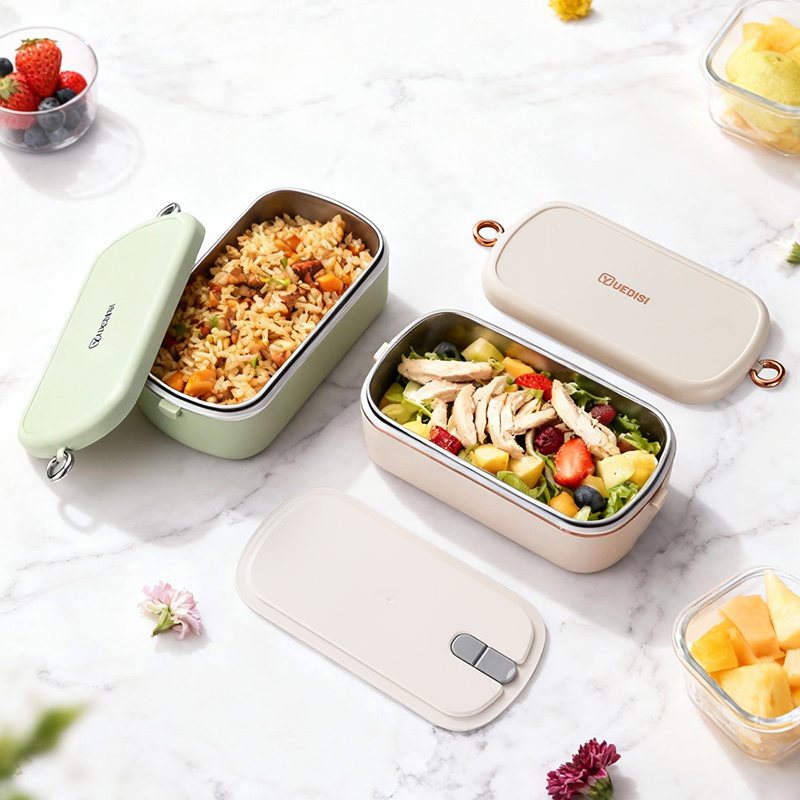
Yes — a professional hot pot manufacturer can deliver full branding customization, and the short answer is that most factories with OEM/ODM capability treat color and logo work as a standard part of the program. An electric hot pot built this way carries the buyer's identity from the outer carton to the appliance surface, which matters for chains and retailers building a recognizable cooking line. The demand is strongest for split pot and multi-flavor formats, where a distinct look helps a brand stand apart on a crowded shelf. The sections below explain how color, logo, packaging, and production steps actually work in practice.
Branding customization for hot pots
Pantone color matching and surface finish
A custom electric hot pot begins with a Pantone color reference rather than a screen shot, because molded plastic and coated metal read differently under retail lighting. A reliable program matches the reference on the housing, the lid handle, and any control panel trim so the identity stays consistent across a full shipment. The food-grade coating on the cooking surface is kept neutral for safety, while the exterior finish carries the brand hue. Factories using ISO 9001 controls log each batch against the approved swatch to prevent shade drift, and they quarantine units that fall outside the agreed tolerance. A practical risk is metamerism — the same color can shift between showroom and kitchen light — so approving the swatch under the buyer's actual retail lighting avoids later disputes. Keeping a sealed master swatch in the quality room lets every batch be compared side by side before it leaves the plant.
Logo printing and laser engraving
Surface branding uses two main methods: silk-screen printing for flat panels and laser engraving for a permanent mark on metal parts. An electric hot pot gains strong shelf identity when the logo sits in a fixed, visible position on the lid or control surround. Silk-screen printing suits the housing where a colorful logo is wanted, while laser engraving resists wear on stainless trim and cannot peel. Buyers supply vector artwork so edges stay sharp at scale. For a private label run, logo placement is fixed by the packaging design and the mold cavity, so confirming it during sampling prevents later rework. For the split pot and multi-flavor models, the logo must avoid the divider seam where heat concentrates, or the print can soften over time. Confirming artwork clearance during sample validation prevents a design that looks right on paper but fails on the unit.
OEM/ODM, packaging, and production flow
Private label and packaging design
A regional restaurant chain approached the factory with a clear need: branded dual-flavor split hot pots for its franchise, so each table read as the house brand. The problem was consistency — off-the-shelf units looked generic and diluted the identity. The solution paired a custom split pot mold with a fixed Pantone color and a laser engraving logo on the lid, plus private label packaging design for delivery to new outlets. The effect was a recognizable unit that doubled as in-store marketing and lifted repeat visits without changing the recipe. A private label program wraps the product in the buyer's artwork from the inner tray to the export carton. Packaging design covers the printed box, multilingual labels, and any insert explaining the multi-flavor divider. Because the carton is the first thing a shopper sees, color and logo must match the appliance exactly. Many retailers ask for a dedicated barcode and care guide, and a capable electric hot pot manufacturer aligns these with destination labeling rules before tooling begins.
Mold development, sample validation, and lead time
New shapes require mold development, and a split pot or dual-section body usually needs a custom cavity rather than an off-the-shelf tool. Sample validation lets the buyer confirm color, logo, divider seal, and function before committing to volume; a physical sample is the only reliable proof of a brand finish. Lead time depends on mold complexity and the order queue, so confirming the schedule at quotation avoids surprises. Typical MOQ for a customized electric hot pot sits lower than fully bespoke tooling, which helps smaller brands test the market before a large commitment.
Working with a qualified hot pot manufacturer
Certification, food safety, and factory audit
Compliance builds trust before the first unit ships. Food contact parts meet FDA and LFGB expectations, while the electrical system follows IEC and CE frameworks and is tested toward UL where the destination requires it. A BSCI-audited workplace supports responsible sourcing, and ISO 9001 quality management backs consistent output. Buyers request valid certification copies and, for a branded electric hot pot, confirm the split pot divider and food-grade coating are documented as food-safe for the intended market. Reviewing these documents at sourcing, not after arrival, prevents customs and compliance problems. Beyond paperwork, a factory audit lets buyers see the production line, incoming inspection, and traceability of the food-grade coating. Asking for batch test reports on the coating and the divider material turns a generic claim into documented proof, which downstream retailers and customs officers expect.
Buying, inspection, and maintenance advice
Smart procurement starts with a clear brief: target Pantone color, logo file, split pot or multi-flavor layout, and expected MOQ. Inspect incoming units against the approved sample, checking the food-grade coating, engraving depth, and divider seal for defects. In daily use, avoid abrasive cleaners that dull surface prints, and descale the electric hot pot periodically to protect the heating surface and keep performance steady. Choosing an ISO 9001 and BSCI-audited partner turns customization from a risk into a repeatable, market-ready program that scales with the brand.
Frequently Asked Questions
Question
What color and logo options are available for branded hot pots?
Answer: Branded hot pots support Pantone color matching on the housing and lid, plus silk-screen printing or laser engraving for the logo. Buyers submit vector artwork and a reference swatch; the factory confirms placement on the mold and packaging design during sampling. A split pot or multi-flavor body can share the same identity across sections. This approach keeps the private label look consistent from carton to cooking surface without extra tooling for color alone.
Question
Why does sample validation matter before a bulk order?
Answer: Sample validation protects the buyer from color drift, misplaced logos, and divider leaks that only show at scale. A physical sample lets the team confirm the Pantone color, engraving depth, and split pot seal before the mold runs full volume. Catching a flaw at this stage costs far less than rejecting a shipped container. Buyers should approve the sample in writing and keep it as the reference for incoming inspection and future reorders.
Question
How does the factory apply a logo without fading?
Answer: Logos stay durable through method choice and surface prep. Silk-screen printing uses cured inks rated for repeated cleaning, while laser engraving cuts the mark into the part so it cannot peel. The housing finish is cleaned and, where needed, primed before printing to improve adhesion. For a branded cooking appliance, buyers confirm the logo location on the mold so the artwork lands consistently. Routine care avoids abrasive pads that would dull any surface print over time.
Question
Can a small brand order a low MOQ custom run?
Answer: Yes, many factories set a lower MOQ for color and logo changes that use existing molds, since only printing and finishing change. A fully custom split pot or new shape needs mold development, which raises the minimum and lead time. Small brands often start with a private label run on a current model, validate the sample, then scale. Confirming MOQ, unit price, and lead time at quotation keeps the launch plan realistic.
Question
Where should buyers verify certification for food contact?
Answer: Buyers should request valid copies of FDA and LFGB documentation for food-contact parts, plus CE and IEC marks for the electrical system, and a BSCI audit summary for the workplace. A qualified electric hot pot manufacturer supplies these before mass production and keeps them current for each destination. Verify the split pot coating and divider material are listed as food-safe. Checking certification at sourcing, not after delivery, prevents costly customs or compliance problems.