
 EN
EN
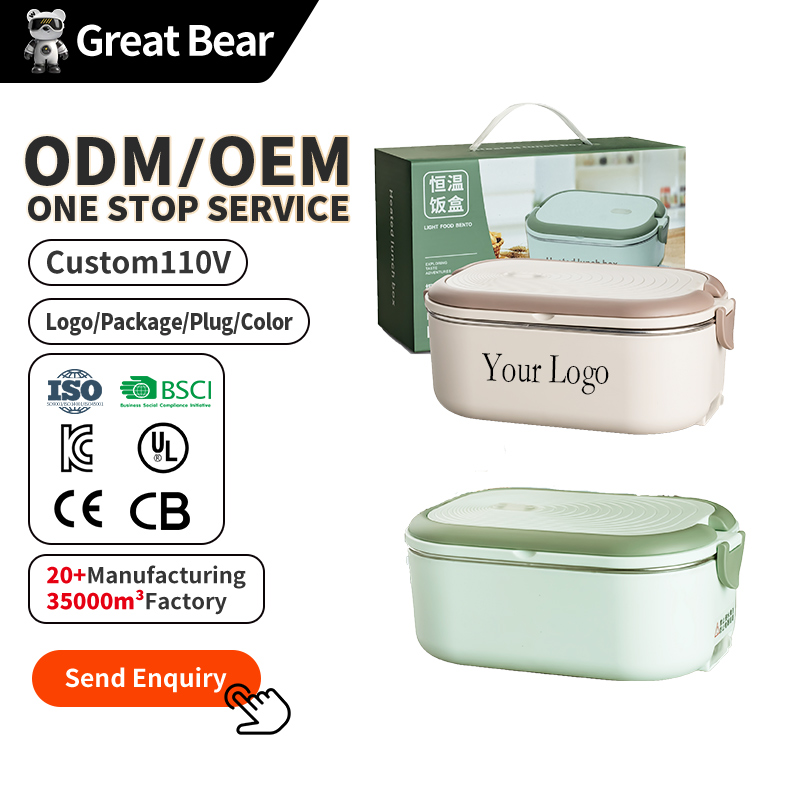
Maintaining a consistent dietary routine while managing a demanding professional schedule presents significant wellness challenges for corporate employees and mobile workers. Relying on shared office microwave ovens introduces overlooked sanitary risks, as these communal appliances often harbor grease buildup, cross-contamination, and unpleasant lingering odors from diverse food types. Public health audits regularly identify high bacterial counts on microwave door handles and internal chamber walls due to inconsistent cleaning practices. Additionally, conventional microwave radiation often unevenly reheats meals, leaving cold spots where foodborne pathogens can survive, while simultaneously drying out food fibers and stripping away essential nutrients. Consequently, securing a reliable electric lunch box heating food portable appliance represents a necessary transition toward personalized, sanitary, and nutrient-dense meal consumption during the workday.
Technological Logic of Portable Heating Vessels
Traditional thermal insulation containers merely slow down heat dissipation, inevitably resulting in lukewarm, unappetizing meals by lunchtime. Active thermal technology solves this problem by using an integrated power source to generate controlled, continuous heat. Utilizing a sophisticated electric lunch box heating food portable bento box allows users to transform raw or chilled ingredients into hot, freshly steamed meals directly at their desks. This active heating process preserves moisture levels, respects food textures, and eliminates the daily chore of waiting in long communal microwave lines during peak lunch hours.
Material Safety and Structural Integrity Standards
Materials used in personal heating appliances must withstand repeated thermal cycles without structural degradation or chemical leaching. High-quality personal food warmers utilize premium AISI 304 food-grade stainless steel for internal food trays, ensuring excellent heat distribution, corrosion resistance, and simple cleanup. The exterior protective shell consists of high-density, impact-resistant polypropylene, which remains cool to the touch even during active heating cycles. This precise material combination ensures the vessel does not release volatile organic compounds or chemical contaminants into food at high temperatures, complying with global food contact safety standards.
Corporate Field Case Study in Workplace Wellness Integration
Operational Background and Environmental Health Obstacles
A regional financial services headquarters based in Chicago employed eighty-five analysts who worked long shifts under tight market deadlines. The corporate facility featured a single breakroom equipped with two microwave ovens, which served as the primary reheating stations for employees bringing lunch from home. Over a six-month period, the human resources department noticed a steady rise in midday productivity drops and a twelve percent increase in employee absenteeism linked to minor gastrointestinal issues. Internal surveys revealed that analysts regularly skipped warm meals or purchased low-nutrient fast food to avoid long lunchroom queues and poorly maintained communal appliances.
Engineered Sourcing Deployment and Implementation Outcomes
To improve employee health and restore office productivity, the operations management team initiated a workplace wellness program by distributing Greatbear-Home heated bento units. The procurement team deployed a specialized electric lunch box heating food portable system featuring negative-pressure sealing liners, PTC ceramic heating elements, and dual compartment designs. Employees received instruction on operating their individual heating units quietly at their desks thirty minutes prior to their scheduled lunch breaks.
Performance Indicator
Previous Baseline Method
Engineered Portable Deployment
Reheating Technology
Communal microwave ovens
Individual electric lunch box heating food portable units
Meal Waiting Time
12 to 18 minutes in office queue
0 minutes waiting time at lunchtime
Nutrient and Moisture Retention
High dehydration and uneven heating
Excellent moisture preservation via gentle steam
Reported Gastrointestinal Incidents
14 cases over two quarters
Zero cases recorded post-deployment
| Performance Indicator | Previous Baseline Method | Engineered Portable Deployment |
|---|---|---|
| Reheating Technology | Communal microwave ovens | Individual electric lunch box heating food portable units |
| Meal Waiting Time | 12 to 18 minutes in office queue | 0 minutes waiting time at lunchtime |
| Nutrient and Moisture Retention | High dehydration and uneven heating | Excellent moisture preservation via gentle steam |
| Reported Gastrointestinal Incidents | 14 cases over two quarters | Zero cases recorded post-deployment |
Following three months of full integration, corporate wellness audits recorded a complete elimination of workplace-related digestive complaints. Employee satisfaction ratings rose by twenty-eight percent, and the afternoon productivity dip decreased significantly. The quiet operation of the heating units ensured zero auditory disruption in open-concept office environments, while the airtight sealing rings successfully prevented any food odors from escaping into shared workspaces.
In-Depth Technical Analysis and Safety Mechanisms
PTC Constant Temperature Heating and Thermal Distribution
Unlike conventional high-wattage heating coils that can scorch food, advanced portable food warmers utilize Positive Temperature Coefficient ceramic heating elements. PTC heating elements feature self-regulating thermal properties; as the element reaches its target operating temperature, its electrical resistance increases, automatically limiting the power draw. This precise technical feedback loop ensures the electric lunch box heating food portable unit maintains a stable, constant temperature of around seventy degrees Celsius. This gentle, uniform heat distribution warms the food thoroughly without burning, preserving delicate vitamins and keeping meals moist and flavorful.
Negative Pressure Preservation and Hermetic Sealing
Transporting liquid-based meals like soups or stews requires absolute leak-proof reliability to protect sensitive office documents and electronics. The internal structure uses a high-performance silicone sealing gasket combined with robust dual-sided latches that compress the lid to create a hermetic seal. When the internal steam cools slightly, it creates a natural negative pressure environment inside the container, locking in freshness and preventing leaks during transit. A dedicated pressure-release valve integrated into the top lid allows steam to escape safely before opening, preventing hot air burns and making lid removal effortless.
International Compliance and Preventive Care Guidelines
Regulatory Standards and Product Quality Verification
Commercial buyers and safety managers must prioritize verified international safety certifications when purchasing portable electrical appliances. High-quality personal heating units must comply with strict electrical safety standards, such as IEC 60335-2-15 for liquid-heating appliances and UL 1026 for household electric cooking appliances. Materials must carry verified compliance markings showing they meet FDA regulations under 21 CFR 175.300 and European LFGB standards for food-contact safety. Additionally, RoHS certification ensures the internal electronic circuit boards are free of hazardous substances, ensuring safe daily use in office environments.
Systematic Maintenance and Cleaning Protocols
Regular preventive maintenance preserves the thermal efficiency and hygienic standards of portable heating units over years of daily use. The removable 304 stainless steel inner containers are completely dishwasher safe, while the outer PP housing should be wiped down with a damp microfiber cloth. Hard water minerals can occasionally form light scale deposits on the bottom heating plate, which users can easily dissolve by soaking the plate in a mild vinegar-water solution for ten minutes. The silicone sealing ring should be detached and washed periodically to prevent food residue buildup, ensuring the container remains hygienic and leak-proof for long-term use.
Frequently Questions and Expert Answers
Frequently Questions
Question
How long does an electric lunch box heating food portable unit take to thoroughly heat a meal?
Answer
PTC-powered heating units typically require twenty-five to thirty-five minutes to warm a standard meal from refrigerated temperatures to an optimal seventy degrees Celsius. This gradual constant-temperature process prevents food from drying out, preserves nutrients, and operates silently at an office desk without producing steam clouds or emitting distracting food odors into the workspace.
Question
Can raw ingredients like rice and raw vegetables be cooked inside this portable heating lunch box?
Answer
Multi-tier steam-heating models can steam raw rice, cook vegetables, and prepare fresh eggs in about thirty to forty minutes. These units utilize a micro-steaming method where a small amount of water is added to the base plate; the resulting circulating steam cooks the food evenly, making it a highly versatile solution for professional meal prep.
Question
Is it safe to leave the heating unit plugged in if a meeting runs longer than expected?
Answer
Yes, high-grade appliances feature an integrated auto shut-off safety mechanism that cuts power immediately once the water in the heating base dries out. The thermal cut-off sensor prevents overheating, while the PTC heating element naturally limits its power draw, ensuring the appliance remains safe even if left unattended during long corporate meetings.
Question
Does the silicone sealing ring prevent liquid foods from leaking during a commute?
Answer
The lid features a commercial-grade silicone gasket and secure side latches that establish an airtight, leak-proof seal. Additionally, the negative pressure sealing mechanism keeps liquids securely inside the container during normal transit. Users should simply ensure the steam release valve is firmly pressed down and sealed before placing the unit in a bag.
Question
What is the best method to remove mineral stains from the stainless steel heating plate?
Answer
Users can easily remove mineral buildup by pouring a small amount of white vinegar or citric acid mixed with warm water onto the heating plate, letting it soak for fifteen minutes, and rinsing with clean water. This gentle descaling process maintains optimal thermal conductivity and keeps the heating surface clean without damaging the protective stainless steel layer.
For inquiries, please contact:
Leah Lin
Wechat/Whatsapp:+86 18098121508
Email:[email protected]
Theta
+86 18029859881
[email protected]
PS:Fill in the form and leave your phone number, or contact our salesperson directly
Table of Contents
- Corporate Field Case Study in Workplace Wellness Integration
- Performance Indicator Previous Baseline Method Engineered Portable Deployment Reheating Technology Communal microwave ovens Individual electric lunch box heating food portable units Meal Waiting Time 12 to 18 minutes in office queue 0 minutes waiting time at lunchtime Nutrient and Moisture Retention High dehydration and uneven heating Excellent moisture preservation via gentle steam Reported Gastrointestinal Incidents 14 cases over two quarters Zero cases recorded post-deployment
- In-Depth Technical Analysis and Safety Mechanisms
- International Compliance and Preventive Care Guidelines
- Frequently Questions and Expert Answers