
 EN
EN
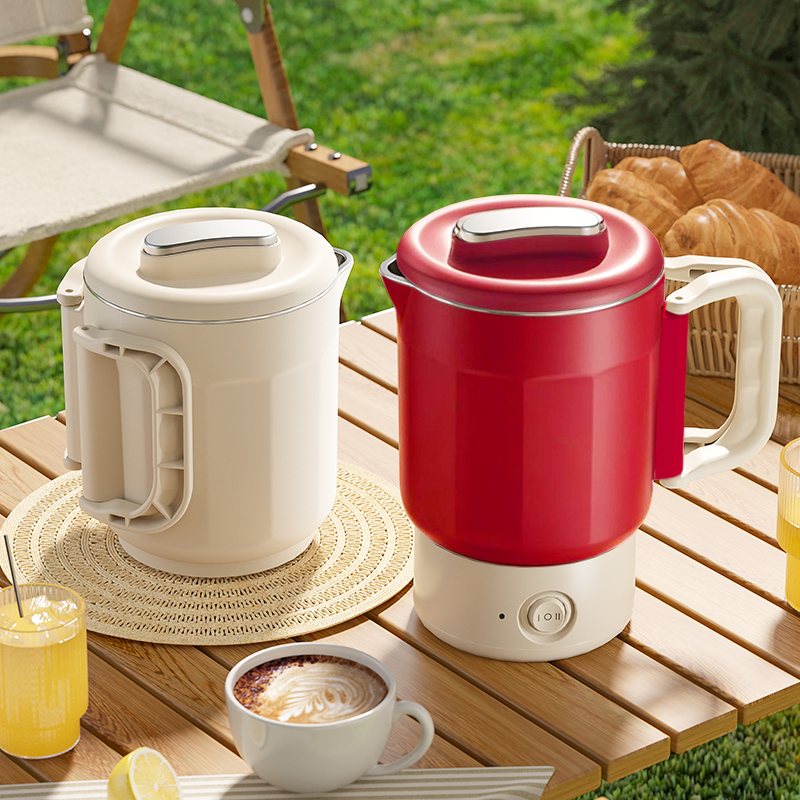
กาต้มน้ำราคา 40 ดอลลาร์ที่แท้จริงแล้วเสียค่าใช้จ่ายถึง 120 ดอลลาร์ — บทเรียนอันเจ็บปวดของผู้บริโภคจากน้ำกระด้าง
ครอบครัวหนึ่งในเมืองฟีนิกซ์ รัฐแอริโซนา ต้องเปลี่ยนกาต้มน้ำไฟฟ้าถึงสองครั้งภายในสามปี ทั้งสองเครื่องทำจากสแตนเลสเกรด 304 แต่ทั้งคู่เกิดรอยกัดกร่อนแบบเป็นหลุมรอบบริเวณองค์ประกอบให้ความร้อนภายใน 14 เดือน และสุดท้ายรั่วจนน้ำไหลเข้าไปในส่วนฐานไฟฟ้า น้ำในพื้นที่นั้นมีคลอไรด์ 250 ppm และมีความกระด้างจากแคลเซียมสูง ครอบครัวจึงเปลี่ยนมาใช้กาต้มน้ำสแตนเลสเกรด 316 ซึ่งมีโมลิบดีนัม 2.5% เครื่องนี้ใช้งานทุกวันมาแล้วมากกว่าสี่ปี ไม่มีรอยกัดกร่อน ไม่มีการรั่วไหล ความแตกต่างที่มองเห็นได้เพียงอย่างเดียวคือเกรดของสแตนเลสที่ระบุไว้ในเอกสารข้อมูลจำเพาะ ค่าใช้จ่ายเพิ่มเติมทั้งหมดเพียง 20 ดอลลาร์สหรัฐฯ แต่ประหยัดได้ทั้งสิ้นมากกว่า 120 ดอลลาร์สหรัฐฯ ภายในห้าปี จากค่าเปลี่ยนเครื่องใหม่และค่าเสียเวลา
ประสบการณ์นี้พบได้บ่อยกว่าที่ผู้บริโภคส่วนใหญ่จะรับรู้ ตลอดช่วงหกปีที่ผ่านมา ผู้วิเคราะห์ความล้มเหลวของเครื่องใช้ไฟฟ้าสังเกตว่าปัจจัยเดียวที่ถูกมองข้ามมากที่สุดในการกำหนดอายุการใช้งานของกาต้มน้ำคือเกรดของสแตนเลส โดยเฉพาะอย่างยิ่งการมีหรือไม่มีโมลิบดีนัม การเข้าใจเรื่องการกัดกร่อนของกาต้มน้ำไม่ใช่เพียงเรื่องของเคมีเท่านั้น แต่ยังเป็นเรื่องของการตัดสินใจซื้ออย่างมีข้อมูล เพื่อคุ้มครองการลงทุนของคุณและหลีกเลี่ยงความล้มเหลวที่สามารถป้องกันได้
สภาพแวดล้อมที่รุนแรง — ทำไมกาต้มน้ำจึงไม่ใช่อ่างล้างจาน
กาต้มน้ำไฟฟ้าทำงานในสภาพแวดล้อมที่รุนแรงอย่างไม่เหมือนใคร ไม่ใช่สภาพคงที่ แต่เป็นสภาพแบบพลวัต การให้ความร้อนและปล่อยให้เย็นลงซ้ำๆ ก่อให้เกิดการเปลี่ยนแปลงอุณหภูมิอย่างต่อเนื่อง ซึ่งสร้างแรงเครียดระดับจุลภาคที่อาจก่อให้เกิดรอยแตกขนาดเล็กในชั้นออกไซด์โครเมียมที่ทำหน้าที่ป้องกัน ในขณะเดียวกัน การต้มน้ำจะทำให้แร่ธาตุที่ละลายอยู่เข้มข้นขึ้นบนพื้นผิวที่ให้ความร้อน ส่งผลให้เกิดคราบตะกรัน ซึ่งเป็นคราบที่มีรูพรุนและไม่สม่ำเสมอ จึงก่อให้เกิดรอยแยกที่มีปริมาณออกซิเจนต่ำบริเวณผิวสแตนเลส — นี่คือเงื่อนไขที่เหมาะยิ่งสำหรับการกัดกร่อนแบบรอยแยก
| ปัจจัยการกัดกร่อน | แหล่งที่มา | ผลกระทบต่อเหล็ก |
|---|---|---|
| การหมุนเวียนทางความร้อน | การให้ความร้อนและปล่อยให้เย็นลงซ้ำๆ | รอยแตกขนาดเล็กในชั้นป้องกัน |
| คราบหินปูน (CaCO₃) | แร่ธาตุในน้ำกระด้าง | สร้างรอยแยกที่มีออกซิเจนต่ำ |
| ไอออนคลอไรด์ (Cl⁻) | น้ำประปา โซเดียมคลอไรด์ | ทำให้ฟิล์มป้องกันเสียความเสถียร และเริ่มเกิดการกัดกร่อนแบบจุด |
| อุณหภูมิเดือด (100°C) | การทำงานปกติ | เร่งอัตราปฏิกิริยาเป็นสองเท่าต่อการเพิ่มขึ้น 10°C |
เมื่อน้ำก๊อกมีไอออนคลอไรด์แม้เพียงเล็กน้อย — ซึ่งพบได้ทั่วไปในน้ำประปา — ความเสี่ยงจะเพิ่มสูงขึ้นอย่างมาก: ไอออนคลอไรด์สามารถแทรกซึมเข้าไปและทำลายความเสถียรของฟิล์มป้องกัน ส่งผลให้ไม่สามารถซ่อมแซมตัวเองได้ และเกิดการกัดกร่อนแบบจุดในบริเวณเฉพาะ
ตัวเร่งปฏิกิริยาการกัดกร่อน — เหตุใดน้ำเดือดจึงไม่ใช่แค่ร้อนธรรมดา
น้ำเดือด—100°C—ไม่ใช่เพียงเกณฑ์เชิงหน้าที่เท่านั้น แต่ยังเป็นตัวเร่งปฏิกิริยาการกัดกร่อนอีกด้วย อัตราการเกิดปฏิกิริยาเคมีโดยประมาณจะเพิ่มขึ้นเป็นสองเท่าเมื่ออุณหภูมิสูงขึ้น 10°C ซึ่งหมายความว่าอัตราการกัดกร่อนที่อุณหภูมิเดือดจะเร็วกว่าที่อุณหภูมิห้องหลายระดับ ความร้อนยังเพิ่มความสามารถในการเคลื่อนที่และปฏิกิริยาของไอออนคลอไรด์อย่างมาก ส่งผลให้พลังงานที่จำเป็นสำหรับการเริ่มต้นการกัดกร่อนแบบจุด (pit nucleation) ลดลงอย่างมีนัยสำคัญ
| อุณหภูมิ | อัตราการกัดกร่อนสัมพัทธ์ | กลไกหลัก |
|---|---|---|
| 25°C (อุณหภูมิห้อง) | 1× (ค่าอ้างอิง) | ฟิล์มแบบพาสซีฟมีเสถียรภาพ |
| 60°C | ~10× | การเคลื่อนที่ของไอออนเพิ่มขึ้น |
| 100°C (น้ำเดือด) | ~100× | การแทรกซึมของคลอไรด์เร่งตัวขึ้น |
การเดือดยังก่อให้เกิดการเคลื่อนที่ของของไหลอย่างรุนแรง ซึ่งทำให้ผลิตภัณฑ์จากการกัดกร่อนที่เพิ่งเกิดขึ้นหลุดออก จนเปิดผิวโลหะบริสุทธิ์ให้ถูกโจมตีต่อไป ตามที่งานวิจัยของ NIST (2023) ยืนยันว่าสภาวะดังกล่าวอาจทำให้อุณหภูมิวิกฤตของการกัดกร่อนแบบจุด (CPT) ของเหล็กกล้าไร้สนิมถูกเกินขึ้นอย่างรวดเร็ว—เปลี่ยนสถานะจากความเสถียรแบบพาสซีฟไปสู่การกัดกร่อนแบบเฉพาะจุดที่กระตือรือร้น ผลลัพธ์คือการเสื่อมสภาพแบบมุ่งเป้าไปยังจุดอ่อนในโครงสร้างจุลภาค ทำให้อุปกรณ์ธรรมดาชิ้นหนึ่งกลายเป็นเซลล์ไฟฟ้าเคมีโดยไม่ได้ตั้งใจ
ความแตกต่างของโมลิบดีนัม – เหตุใด 316 จึงทนทานกว่า 304
โครเมียมและนิกเกิล – พื้นฐานที่จำเป็น
ทั้งเหล็กกล้าไร้สนิมเกรด 304 และ 316 ต่างพึ่งพาโครเมียม (16–18%) ในการสร้างฟิล์มออกไซด์ของโครเมียมที่สามารถซ่อมแซมตัวเองได้ ซึ่งเป็นรากฐานของคุณสมบัติ 'ไร้สนิม' ของวัสดุ ขณะที่นิกเกิล (8–10% ในเกรด 304 และ 10–14% ในเกรด 316) ทำหน้าที่คงโครงสร้างออสเทนิติกให้มั่นคง และช่วยให้เกิดการสร้างฟิล์มป้องกันใหม่หลังจากได้รับความเสียหายเชิงกล อย่างไรก็ตาม ในบริบทที่ท้าทายของการใช้งานในกาต้มน้ำไฟฟ้า—ซึ่งต้องเผชิญกับการเปลี่ยนแปลงอุณหภูมิซ้ำๆ การสัมผัสกับคลอไรด์ และคราบกรดที่ตกค้างหลังการต้ม—การป้องกันขั้นพื้นฐานนี้กลับไม่เพียงพอ
โมลิบดีนัม – ตัวเปลี่ยนเกม
โมลิบดีนัมเปลี่ยนสมการทั้งหมด แม้จะมีเพียง 2–3% ก็สามารถรวมตัวเข้ากับฟิล์มแบบพาสซีฟได้ โดยปรับโครงสร้างอิเล็กทรอนิกส์ของฟิล์มให้ผลักไอออนคลอไรด์ออกไป เพิ่มพลังงานที่จำเป็นสำหรับการทำลายฟิล์ม และเร่งกระบวนการสร้างฟิล์มป้องกันใหม่ในบริเวณที่เสียหาย ทำให้ฟิล์มมีความแข็งแกร่งมากขึ้นอย่างเห็นได้ชัดต่อการกัดกร่อนแบบพิตติ้งที่เกิดจากคลอไรด์ ซึ่งส่งผลให้ความสมบูรณ์ของกาต้มน้ำลดลงตามระยะเวลาการใช้งาน
| คุณสมบัติ | สแตนเลสเกรด 304 | 316 เหล็กไร้ขัด |
|---|---|---|
| ปริมาณโครเมียม | 16–18% | 16–18% |
| ปริมาณนิกเกิล | 8–10% | 10–14% |
| ปริมาณโมลิบดีนัม | 0% | 2–3% |
| ดัชนีความต้านทานการกัดกร่อนแบบพิตติ้ง (PREN) | ~18 | ~25 |
| ค่าความเข้มข้นสูงสุดของคลอไรด์ที่ยังไม่ก่อให้เกิดพิตติ้ง | ประมาณ 200 ppm | ประมาณ 1,000+ ppm |
ผลกระทบในโลกแห่งความเป็นจริง – ข้อมูลภาคสนามจากพื้นที่ที่มีน้ำกระด้าง
การไม่มีโมลิบดีนัมในสแตนเลสเกรด 304 ส่งผลโดยตรงต่ออายุการใช้งานของกาต้มน้ำให้สั้นลง ในน้ำประปาทั่วไปซึ่งมักมีคลอไรด์อยู่ระหว่าง 50–300 ppm การต้มซ้ำๆ จะทำให้ไอออนเข้มข้นขึ้นใต้คราบหินปูน จนเกิดสภาวะกัดกร่อนแบบรอยแยก (crevice corrosion) ที่รุนแรง ภายใต้สภาวะดังกล่าว สแตนเลสเกรด 304 จะเริ่มเกิดจุดกัดกร่อน (pitting) ได้ที่ระดับคลอไรด์เพียง 200 ppm เท่านั้น ขณะที่เกรด 316 สามารถต้านทานการกัดกร่อนแบบจุดได้ถึง 1,000 ppm หรือมากกว่านั้น ข้อมูลภาคสนามจากพื้นที่ที่มีน้ำกระด้างแสดงว่า ฐานของกาต้มน้ำที่ทำจากสแตนเลสเกรด 304 มักเกิดรอยรั่วขนาดเล็กภายในระยะเวลา 12–18 เดือน ส่วนกาต้มน้ำที่ทำจากเกรด 316 มักใช้งานได้อย่างเชื่อถือได้เกินห้าปี
| เมตริก | สแตนเลสเกรด 304 | 316 เหล็กไร้ขัด |
|---|---|---|
| ระยะเวลาจนเกิดจุดกัดกร่อนครั้งแรก (คลอไรด์ 500 ppm การทดสอบแบบเร่ง) | ประมาณ 72 ชั่วโมง | มากกว่า 500 ชั่วโมง |
| อายุการใช้งานโดยทั่วไป (น้ำกระด้าง ใช้ทุกวัน) | 12–18 เดือน | 5 ปีขึ้นไป |
| ประเภทของสนิม | การกัดกร่อนแบบจุดและการกัดกร่อนแบบรอยแยก | เปลี่ยนสีผิวเพียงเท่านั้น |
| รูปแบบความล้มเหลว | รั่วเข้าสู่ฐานไฟฟ้า | การสึกหรอเพียงด้านรูปลักษณ์ |
รูเล็กเพียงรูเดียวสามารถเจาะผ่านผนังหม้อที่บางได้ ทำให้น้ำซึมเข้าสู่ฐานไฟฟ้า ซึ่งถือเป็นความล้มเหลวด้านความปลอดภัยและความน่าเชื่อถืออย่างร้ายแรง ช่องว่างด้านประสิทธิภาพนี้ส่งผลโดยตรงต่อความทนทานในระยะยาวหลายปี จึงทำให้ปริมาณโมลิบดีนัมเป็นปัจจัยชี้ขาดต่อความแข็งแกร่งของหม้อในระยะยาว
การทดสอบตามมาตรฐาน — ข้อมูลที่แสดงออกมา
| มาตรฐานการทดสอบ | สภาพ | ผลสำหรับเกรด 304 | ผลสำหรับเกรด 316 |
|---|---|---|---|
| ASTM G48 วิธีการ A | สารละลาย FeCl₃ ร้อยละ 6 อุณหภูมิ 22 องศาเซลเซียส | เกิดการกัดกร่อนแบบจุด (pitting) ภายใน 24 ชั่วโมง | ไม่เกิดการกัดกร่อนแบบจุดเป็นเวลา 72 ชั่วโมงขึ้นไป |
| การทดสอบแบบพ่นหมอกเกลือตามมาตรฐาน ISO 9227 | สารละลาย NaCl ร้อยละ 5 อุณหภูมิ 35 องศาเซลเซียส | สนิมสีแดง ~200 ชั่วโมง | ทนได้มากกว่า 500 ชั่วโมง |
| ข้อมูลจากการใช้งานจริง (น้ำแข็ง) | คลอไรด์ 250 ppm ต้มทุกวัน | รั่วภายใน 12–18 เดือน | อายุการใช้งาน 5 ปีขึ้นไป |
ASTM G48 วิธี A และ ISO 9227 การพ่นหมอกเกลือแบบเป็นกลาง เป็นการทดสอบแบบเร่งที่ได้รับการยอมรับในอุตสาหกรรม ซึ่งจำลองสภาวะกัดกร่อนของกาต้มน้ำบางประการอย่างแม่นยำ ภายใต้มาตรฐาน ASTM G48 โลหะเกรด 304 มักเกิดรอยบุ๋มภายใน 24 ชั่วโมง ในขณะที่เกรด 316 ยังคงไม่มีรอยบุ๋มอย่างน้อย 72 ชั่วโมง ส่วนภายใต้มาตรฐาน ISO 9227 โลหะเกรด 304 จะเริ่มปรากฏสนิมสีแดงหลังผ่านไปประมาณ 200 ชั่วโมง ส่วนเกรด 316 สามารถทนได้มากกว่า 500 ชั่วโมง ผลลัพธ์เหล่านี้สอดคล้องกับสภาวะการใช้งานจริงของกาต้มน้ำ และสะท้อนถึงการยืดอายุการใช้งานจริงที่สังเกตได้ในกาต้มน้ำระดับพรีเมียมที่ใช้สแตนเลสเกรด 316
การวิเคราะห์พื้นที่น้ำแข็ง – คราบตะกรัน + คลอไรด์ = การเสื่อมสภาพที่เร่งขึ้น
ในพื้นที่ที่มีน้ำกระด้าง การสะสมของคราบหินปูนไม่ใช่เพียงปัญหาด้านรูปลักษณ์เท่านั้น แต่ยังก่อให้เกิดการกัดกร่อนอีกด้วย ตะกอนแคลเซียมคาร์บอเนตจะกักเก็บไอออนคลอไรด์ไว้ และสร้างสภาพแวดล้อมย่อยที่มีออกซิเจนต่ำและค่าพีเอชต่ำใต้คราบหินปูน—ซึ่งเป็นสภาวะที่เร่งกระบวนการถอดฟิล์มป้องกัน (depassivation) ของเหล็กกล้าไร้สนิมเกรด 304 อย่างรวดเร็ว การวิเคราะห์ในสนามยืนยันความสัมพันธ์นี้: หม้อต้มที่ทำจากเหล็กกล้าไร้สนิมเกรด 304 ในพื้นที่ดังกล่าวมักแสดงรอยบุ๋มลึกที่แทรกซึมเข้าไปภายในภายในระยะเวลาเพียง 18 เดือนของการใช้งานทุกวัน ขณะที่ผลิตภัณฑ์ที่ทำจากเกรด 316 จะแสดงเพียงการเปลี่ยนสีผิวแบบเบาบางหลังใช้งานมาแล้วสามปี
ที่สำคัญ คราบหินปูนจะลดอุณหภูมิวิกฤตสำหรับการเกิดรูพรุน (critical pitting temperature) ที่แท้จริงของเหล็กกล้าไร้สนิมเกรด 304 ลงต่ำกว่า 100 องศาเซลเซียส ทำให้วัสดุนี้เสี่ยงต่อความเสียหายแม้ในสภาวะการใช้งานปกติ ตรงข้าม เหล็กกล้าไร้สนิมเกรด 316 ที่มีโมลิบดีนัมเป็นส่วนประกอบสามารถรักษาความสมบูรณ์ของฟิล์มป้องกันได้อย่างมีประสิทธิภาพ แม้ภายใต้สภาวะเฉพาะที่รุนแรงเช่นนี้ หลักฐานเชิงประจักษ์นี้จึงนำไปสู่การตัดสินใจของผู้ผลิตชั้นนำในการเลือกใช้เหล็กกล้าไร้สนิมเกรด 316 สำหรับภาชนะด้านในและองค์ประกอบทำความร้อน เพื่อให้มั่นใจในประสิทธิภาพการใช้งานที่เชื่อถือได้ในสภาพน้ำที่หลากหลาย
คุณภาพการผลิต — มุมมองของ BXKM
การบรรลุคุณสมบัติของวัสดุที่สม่ำเสมอ ความแม่นยำในการขึ้นรูป และรอยเชื่อมที่เชื่อถือได้ ซึ่งทำให้หม้อต้มสแตนเลสเกรด 316 ทำงานตามวัตถุประสงค์นั้น จำเป็นต้องใช้ทั้งเกรดวัสดุที่เหมาะสมและควบคุมกระบวนการอย่างเข้มงวด ความเชี่ยวชาญของ BXKM ด้านการขึ้นรูปโลหะแบบแม่นยำและการผลิตชิ้นส่วนสนับสนุนการผลิตชิ้นส่วนสแตนเลสคุณภาพสูง รวมถึงหม้อด้านในที่ขึ้นรูปด้วยวิธี deep-drawing และส่วนเชื่อมระหว่างองค์ประกอบทำความร้อนที่ผ่านการเชื่อมแล้ว ซึ่งใช้ในเครื่องใช้ไฟฟ้าระดับพรีเมียม โดยการกำหนดความคลาดเคลื่อนเชิงมิติที่แคบมากและขั้นตอนการเชื่อมที่ผ่านการตรวจสอบแล้ว BXKM จึงช่วยให้มั่นใจว่าข้อได้เปรียบของวัสดุสแตนเลสเกรด 316 จะแสดงผลจริงในแง่ของความทนทานที่ใช้งานได้จริงในผลิตภัณฑ์สำเร็จรูป
คำถามที่พบบ่อย
| คำถาม | คำตอบ |
|---|---|
| เหตุใดหม้อต้มไฟฟ้าจึงเผชิญกับความท้าทายด้านการกัดกร่อนที่ไม่เหมือนใคร | การเปลี่ยนแปลงอุณหภูมิซ้ำๆ การสะสมของคราบตะกรัน และการสัมผัสกับสารคลอไรด์ สร้างสภาพแวดล้อมที่รุนแรงเป็นพิเศษซึ่งทำลายสแตนเลสลงอย่างค่อยเป็นค่อยไป |
| การต้มน้ำส่งผลเร่งการกัดกร่อนอย่างไร | อัตราการเกิดปฏิกิริยาเพิ่มเป็นสองเท่าทุกๆ การเพิ่มขึ้น 10 องศาเซลเซียส; ความสามารถในการเคลื่อนที่ของไอออนคลอไรด์เพิ่มขึ้น; ผลิตภัณฑ์ของการกัดกร่อนถูกชะล้างออกไป ทำให้ผิวโลหะที่ยังไม่ถูกกัดกร่อนถูกเปิดเผย |
| อะไรทำให้มอลิบดีนัมจำเป็นต่อความทนทานของกาต้มน้ำ | มอลิบดีนัมช่วยผลักดันไอออนคลอไรด์ ยกระดับพลังงานที่จำเป็นสำหรับการทำลายฟิล์มป้องกัน และเร่งกระบวนการสร้างฟิล์มป้องกันใหม่ จึงป้องกันการกัดกร่อนแบบจุดได้ |
| เหล็กกล้าไร้สนิมเกรด 316 เปรียบเทียบกับเกรด 304 อย่างไรในแง่สมรรถนะของกาต้มน้ำ | เกรด 316 (มีโมลิบดีนัม 2–3% โดยน้ำหนัก) ต้านทานการกัดกร่อนแบบจุดได้แม้ในสารละลายที่มีคลอไรด์สูงถึง 1,000 ppm หรือมากกว่า และใช้งานได้นานกว่า 5 ปี ในขณะที่เกรด 304 (ไม่มีโมลิบดีนัม) เริ่มเกิดจุดกัดกร่อนที่ความเข้มข้นประมาณ 200 ppm และเสียหายภายใน 12–18 เดือน |
| เหตุใดคราบตะกรันจึงเป็นอันตรายต่อกาต้มน้ำสแตนเลส | คราบตะกรันกักเก็บไอออนคลอไรด์ไว้ และสร้างสภาพแวดล้อมย่อยขนาดเล็กที่มีค่า pH ต่ำและขาดออกซิเจน ซึ่งส่งเสริมให้เกิดการกัดกร่อนแบบจุดและการกัดกร่อนตามรอยต่อ |
| การทดสอบตามมาตรฐาน ASTM G48 และ ISO 9227 ยืนยันอะไร | เกรด 304 เกิดจุดกัดกร่อนภายใน 24 ชั่วโมง (ตาม ASTM G48) และภายใน 200 ชั่วโมง (การทดสอบพ่นหมอกเกลือ); ส่วนเกรด 316 ยังคงไม่เกิดจุดกัดกร่อนเลยหลังผ่านการทดสอบ 72 ชั่วโมง (ASTM G48) และหลังผ่านการทดสอบพ่นหมอกเกลือมากกว่า 500 ชั่วโมง |