
 EN
EN
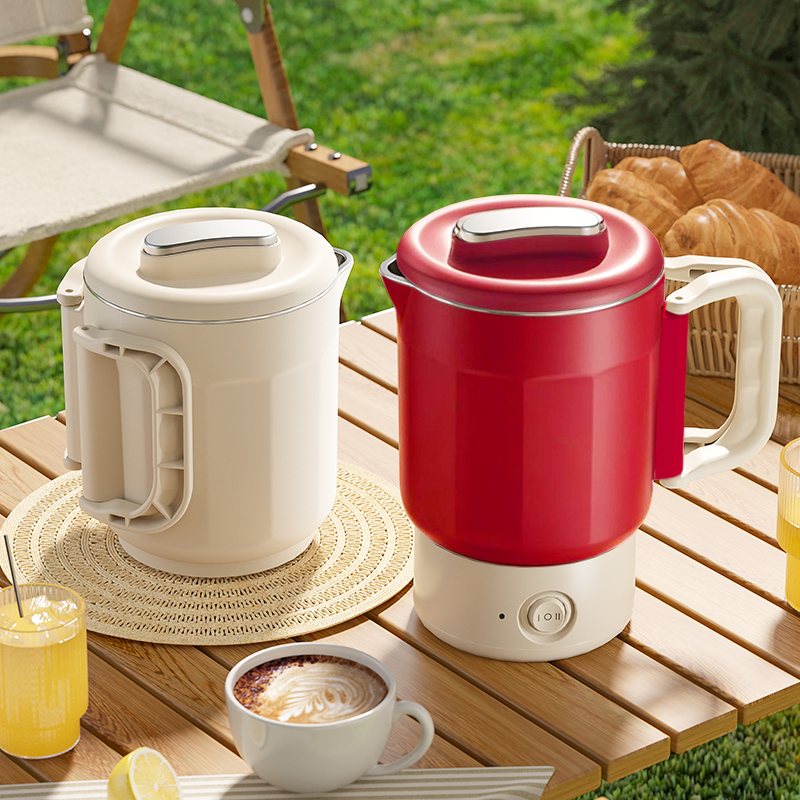
40 dollarin kahvinkeittimen hinta nousi 120 dollariin – kuluttajan kovavesikokemus
Perhe Phoenixissa, Arizonassa, vaihtoi sähkökattilansa kahdesti kolmen vuoden aikana. Molemmat laitteet olivat valmistettu 304-ruostumattomasta teräksestä, ja molemmissa ilmeni näkyvää pientä kulumaa lämmityselementin ympärillä 14 kuukauden sisällä; lopulta vesi vuoti sähköiselle alustalle. Paikallisessa vedessä oli 250 ppm klorideja ja korkea kalsiumkovuus. Perhe vaihtoi 316-ruostumattomaan teräkseen valmistetun kattilan – jossa on 2,5 % molybdeenia. Tätä laitetta on käytetty päivittäin yli neljän vuoden ajan. Ei pientä kulumaa. Ei vuotoja. Ainoa näkyvä ero on teräslajin merkintä teknisissä tiedoissa. Lisäkustannus yhteensä: 20 dollaria. Säästöt viiden vuoden aikana: yli 120 dollaria vaihtojen ja hankalien aiheuttamien epämiellyysten osalta.
Tämä kokemus on yleisempi kuin useimmat kuluttajat ajattelevat. Viimeisen kuuden vuoden aikana kodinkoneiden vioittumisanalyysien tekijät ovat havainneet, että kiehauttimen kestävyyteen vaikuttavin ja useimmiten sivuutettu tekijä on ruostumaton teräs – erityisesti molybdeenin läsnäolo tai puuttuminen. Kiehauttimen korroosion ymmärtäminen ei ole pelkkää kemiaa; se tarkoittaa tietoisia ostopäätöksiä, jotka suojaavat sijoitustasi ja estävät ennaltaehkäistävissä olevat vioittumiset.
Aggressiivinen ympäristö – miksi kiehauttin ei ole pesukone
Sähköinen vedenkiehauttin toimii erityisen aggressiivisessa ympäristössä – ei staattisessa, vaan dynaamisessa. Toistuva kuumennus ja jäähtyminen aiheuttavat lämpövaihteluita, joissa syntyy mikroskooppisia jännityksiä, jotka voivat aloittaa halkeamia suojavan kromioksidikerroksen sisällä. Samalla kiehuminen keskittää liuenneita mineraaleja lämmityspinnalle, muodostaen kalkkisaostumia. Tämä huokoisen ja epätasaisen saostuman muodostama rako muodostaa teräksen pinnalle hapetta köyhän alueen – täydelliset olosuhteet rakokorroosiolle.
| Korroosiotekijä | Lähde | Vaikutus teräkseen |
|---|---|---|
| Lämpötilan vaihtelu | Toistuva kuumennus/jäähtyminen | Mikrohalkeamat passiivikerroksessa |
| Kalkkisaostuma (CaCO₃) | Kovien vesimineraalien vaikutus | Luo hapetta köyhentäviä halkeamia |
| Kloridi-ionit (Cl⁻) | Kunnallisvesi, suola | Destabiloi passiivikalvoa ja aloittaa pistekorroosion |
| Kiehumislämpötila (100 °C) | Normaali käyttö | Kaksinkertaistaa reaktioiden nopeuden jokaista 10 °C:n lämpötilan nousua kohden |
Kun hanavesi sisältää jopa jäljellä olevia kloridijäämiä – mikä on yleistä kunnallisvesilaitosten toimittamissa vesissä – riski kasvaa voimakkaasti: kloridi-ionit tunkeutuvat passiivikalvoon ja destabiloivat sen, estäen itsekorjaantumisen ja mahdollistaen paikallisen pistekorroosion.
Korroosion kiihdyttäjä – miksi kiehuva vesi ei ole vain kuumaa
Kiehuva vesi – 100 °C – ei ole pelkästään toiminnallinen kynnysarvo; se on myös korroosion kiihdytin. Kemiallisten reaktioiden nopeus kaksinkertaistuu suunnilleen jokaista 10 °C:n lämpötilan nousua kohden, mikä tarkoittaa, että korroosion kinetiikka kiehumispisteessä on useita kertaluokkia nopeampaa kuin huoneenlämmössä. Lämpö lisää kloori-ionien liikkuvuutta ja reaktiokykyä ja alentaa merkittävästi syövytyksen aloittavan kovereen muodostumisen energiakynnystä.
| Lämpötila | Suhteellinen korroosionopeus | Keskusrakenne |
|---|---|---|
| 25 °C (huoneenlämpö) | 1× (perustaso) | Passiivinen kalvo vakaa |
| 60°C | ~10× | Ioniliikkuvuus kasvaa |
| 100 °C (kiehumispiste) | ~100× | Kloori-ionien tunkeutuminen kiihtyy |
Kiehumisen aiheuttama voimakas nesteen liike poistaa myös syntyvät korroosiotuotteet, jolloin uusi metallipinta altistuu hyökkäykselle. Kuten NIST:n tutkimus (2023) vahvistaa, nämä olosuhteet voivat ylittää ruostumattoman teräksen kriittisen pisteiden muodostumisen lämpötilan (CPT) nopeasti, siirtäen sen vakaa passiivitila aktiiviseen, paikallisesti rajoitettuun korroosioon. Tuloksena on kohdistunut rappeutuminen mikrorakenteellisissa heikkouksissa, mikä muuttaa yksinkertaisen laitteen tahattomaksi sähkökemialliseksi soluksi.
Molybdeenin ero – miksi 316 kestää pidempään kuin 304
Kromi ja nikkeli – perustaso
Sekä 304 että 316 -ruostumattomat teräkset perustuvat kromiin (16–18 %) muodostaakseen itsensä korjaavan kromioksidikalvon – niiden "ruostumatonta" käyttäytymistä tukevan perustan. Nikkeli (8–10 % 304:ssä, 10–14 % 316:ssa) vakauttaa austeniittista rakennetta ja tukee uudelleenpassivoitumista mekaanisen vaurion jälkeen. Mutta vaativassa sähkökattilassa – joka altistuu lämpövaihteluille, kloridille ja happamille kiehutuksen jälkeisille jäännöksille – tämä perustaso suojaa ei riitä.
Molybdeenin merkitys – pelin muuttaja
Molybdeenin lisääminen muuttaa tilanteen. Jo 2–3 %:n määrä integroituu passiivikalvoon, muuttaen sen elektronista rakennetta siten, että se hylkii kloridi-ioneja, nostaa kalvon hajoamiseen vaadittavaa energiaa ja nopeuttaa paikallista uudelleenpassivoitumista. Tämä tekee kalvosta huomattavasti kestävämmän kloridipitoisen pistemäisen ruosteen aiheuttamia vaurioita vastaan, jotka heikentävät kattilan rakenteellista eheytä ajan myötä.
| Omaisuus | 304 ruostumaton teräs | 316 rostiton teräs |
|---|---|---|
| Kromipitoisuus | 16–18% | 16–18% |
| Nikkelipitoisuus | 8–10% | 10–14% |
| Molybdeenin sisältö | 0% | 2–3% |
| Pistemäisen ruosteen kestävyys (PREN) | ~18 | ~25 |
| Kloridipitoisuus, jossa pistemäinen ruoste alkaa | noin 200 ppm | noin 1 000+ ppm |
Todellinen vaikutus – kenttätiedot kovavesialueilta
Molybdeenin puuttuminen 304-ruostumattomasta teräksestä rajoittaa suoraan kiehkuron kestoa. Tyypillisessä hanavedessä – jossa on usein 50–300 ppm kloridia – toistuva kiehautus keskitää ioneja kovavesisaostumien alapuolelle, mikä luo aggressiivisia rakokohtia. Näissä olosuhteissa 304-teräs alkaa pirstoutua jo 200 ppm:n kloridipitoisuuksilla, kun taas 316-teräs kestää pirstoutumista jopa 1 000 ppm:n tai korkeammissa kloridipitoisuuksissa. Kenttätiedot kovavesialueilta osoittavat, että 304-teräksestä valmistettujen kiehkurojen pohjat kehittävät usein mikrovuotoja 12–18 kuukauden sisällä, kun taas 316-teräksestä valmistettujen kiehkurojen käyttöikä ylittää yleensä viisi vuotta luotettavaa käyttöä.
| Metrinen | 304 ruostumaton teräs | 316 rostiton teräs |
|---|---|---|
| Aika ensimmäiseen pirstoutumiseen (500 ppm Cl⁻, kiihdytetty testi) | noin 72 tuntia | >500 tuntia |
| Tyypillinen käyttöikä (kovavesi, päivittäinen käyttö) | 12–18 kuukautta | 5+ vuotta |
| Korroosiotyyppi | Pirstoutuminen, rakokohta | Pinnan värinmuutos ainoastaan |
| Vioittumismuoto | Vuoto sähköiseen pohjaan | Vain esteellinen kuluminen |
Yksittäinen koverre voi läpäistä ohuen kattilaseinän, mikä mahdollistaa veden pääsyn sähköiseen alustaan – tämä on vakava turvallisuus- ja luotettavuusongelma. Tämä suorituskykyero vaikuttaa suoraan kattilan kestävyyteen useiden vuosien ajan, mikä tekee molybdeenipitoisuudesta ratkaisevan tekijän kattilan pitkäaikaiselle kestävyydelle.
Standardoitu testaus – mitä tiedot osoittavat
| Testistandardit | Kunnossa | 304-tulos | 316-tulos |
|---|---|---|---|
| ASTM G48 -menetelmä A | 6 % FeCl₃, 22 °C | Koverteita 24 tunnin sisällä | Ilman koverteita yli 72 tuntia |
| ISO 9227 -suolahöyrytesti | 5 % NaCl, 35 °C | Punainen ruoste ~200 tuntia | Kestää yli 500 tuntia |
| Kenttädata (kova vesi) | 250 ppm Cl⁻, päivittäinen kiehautus | Vuotaa 12–18 kuukauden sisällä | Käyttöikä yli 5 vuotta |
ASTM G48 Method A ja ISO 9227 neutral salt spray ovat teollisuuden standardoituja kiihdytettyjä testejä, jotka simuloidaan kahvinkeittimen korroosion keskeisiä piirteitä. ASTM G48 -testissä 304-teräs muodostaa pisteitä yleensä 24 tunnin sisällä, kun taas 316-teräs pysyy pisteittömänä vähintään 72 tuntia. ISO 9227 -testissä 304-teräs näyttää punaista ruostetta noin 200 tunnin kuluttua; 316-teräs kestää yli 500 tuntia. Nämä tulokset vastaavat kahvinkeittimen käyttöolosuhteita ja heijastavat todellisia käyttöiän parannuksia, joita on havaittu premium-kahvinkeittimissä, joissa käytetään 316-terästä.
Kovan veden alueiden analyysi – kalkkisaostumat + kloridit = kiihtynyt rappeutuminen
Kovavetisissä alueissa kalkkisaostumien muodostuminen ei ole pelkästään esteellistä – se on myös syövyttävää. Kalsiumkarbonaattisaostumat sitovat kloridi-ioneja ja luovat kalkin alla happipuutteisia, alhaisen pH:n mikroympäristöjä – olosuhteita, jotka aiheuttavat nopean 304-teräksen passiivikerroksen poistumisen. Kenttätutkimukset vahvistavat tämän yhteisvaikutuksen: 304-teräksestä valmistetut kiehkurot näyttävät tällaisilla alueilla syviä, läpikuultavia kulumakohtia jo 18 kuukauden sisällä päivittäisestä käytöstä, kun taas 316-teräksestä valmistetut kiehkurot näyttävät vain lievää pintavärjäytymää kolmen vuoden kuluttua.
Tärkeintä on, että kalkkisaostumat alentavat 304-teräksen tehollista kriittistä pistekorroosion lämpötilaa alle 100 °C:n – mikä tekee siitä alttiin tavallisessa käytössä. Sen sijaan 316-teräksen molybdeenin ansiosta passiivikerros säilyy ehjänä myös näissä äärimmäisissä paikallisissa olosuhteissa. Tämä todiste on johtanut johtavien valmistajien ottamaan 316-ruostumattoman teräksen käyttöön sisäisiin kiehkuroihin ja lämmityselementteihin, mikä takaa luotettavan suorituskyvyn erilaisissa vedenlaatuoloissa.
Valmistuslaatu – BXKM:n näkökulma
316-ruostumattoman teräksen kuumakkeiden tarkoituksenmukainen toiminta edellyttää yhtenäisiä materiaaliominaisuuksia, tarkkaa muovauksetta ja luotettavia hitsausliitoksia – mikä vaatii paitsi oikean laadun myös tiukkaa prosessin valvontaa. BXKM:n asiantuntemus tarkassa metallimuovauksessa ja komponenttien valmistuksessa tukee korkealaatuisten ruostumattomien teräskomponenttien tuotantoa – mukaan lukien syvänmuovatut sisäpallot ja hitsatut lämmityselementtien liitokset – jotka käytetään huippuluokan kodinkoneissa. Tiukkojen mittojen tarkkuusvaatimusten ja validoitujen hitsausmenetelmien soveltamisen avulla BXKM varmistaa, että 316-teräksen materiaaliominaisuudet muuttuvat todelliseksi kestävyysominaisuudeksi valmiissa tuotteessa.
Usein kysytyt kysymykset
| Kysymys | Vastaus |
|---|---|
| Miksi sähkökuumakkeet kohtaavat erityisiä korroosiohaasteita? | Lämpötilan vaihtelu, kalkinmuodostuminen ja kloridialtistuminen luovat ainutlaatuisen aggressiivisen ympäristön, joka heikentää ruostumattoman teräksen ominaisuuksia ajan myötä. |
| Miten kiehuvan veden kuumennus nopeuttaa korroosiota? | Reaktioiden nopeus kaksinkertaistuu jokaista 10 °C:n lämpötilan nousua kohti; kloridien liikkuvuus kasvaa; korroosiotuotteet irtoavat, paljastaen uutta metallia. |
| Mikä tekee molybdeenista välttämättömän keittimen kestävyyden kannalta? | Molybdeeni torjuu kloridi-ioneja, nostaa kalvon hajoamisen energiakynnystä ja nopeuttaa uudelleenpassivoitumista – estäen pisteittäistä korroosiota. |
| Kuinka 316-teräs eroaa 304-teräksestä keittimen suorituskyvyssä? | 316 (2–3 % Mo) kestää pisteittäistä korroosiota jopa 1 000+ ppm Cl⁻:ssa ja kestää 5+ vuotta. 304 (ei Mo:tta) alkaa muodostaa pisteitä noin 200 ppm:ssä ja epäonnistuu 12–18 kuukaudessa. |
| Miksi kovavesilisa on haitallinen ruostumattomalle teräkselle valmistetuille keittimille? | Kovavesilisa pidättää klorideja ja luo happamuudeltaan alhaisia, hapella köyhiä mikroympäristöjä, jotka edistävät pisteittäistä ja halkeamakorroosiota. |
| Mitä ASTM G48- ja ISO 9227 -testit vahvistavat? | 304 muodostaa pisteitä 24 tunnissa (G48) ja 200 tunnissa (suolasuihku); 316 pysyy pisteittäisesti korroosiotonta yli 72 tunnin ja yli 500 tunnin ajan. |