
 EN
EN
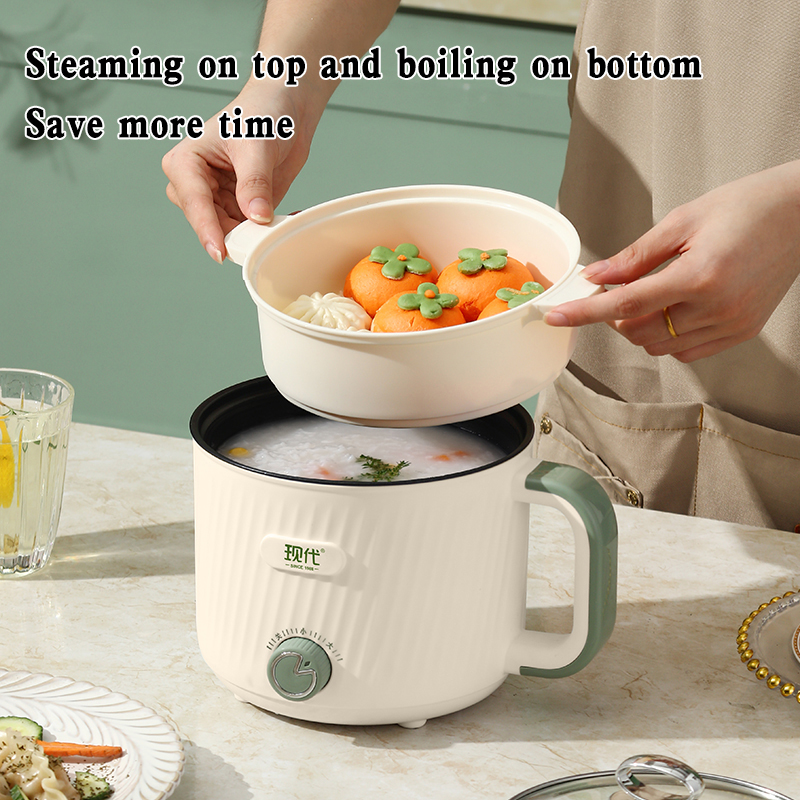
Tugann an chuid is mó de photaí leictreacha cócaireachta fúthu teas neamhchothromach agus fiacha bia a ghabhann go dona tar éis roinnt cícleanna teas agus fuaraithe. Tugann potaí mialaigh gnáth réidh le rís, le sás, agus le bia a dhéanann caramalú, agus tá go leor ama ag teastáil chun an bia atá ceangailte a ghlanadh. Réiteoidh curthas ardnáisiúnta gan adhmad na trioblóidí coitianta seo sa chócaireacht agus tacóidh sé le cócaireacht sláintiúil le beagán ghoile.
Feidhmíocht Stadach Gan Adhmad Faoin gCothromaithe Teochta Leanúnach
Glanann na galarthóga leictreacha an cumhacht teas go huathoibríoch. Tosaíonn agus críochnaíonn an t-elemint teas arís agus arís eile, ag cruthú athruithe toirta teochta a fhágann bia ag adhastar go daingean ar dhorais maithe metal. Cruthaíonn maithiúnacháin gan adhastar achar slánaigh neamh-ghníomhach a chaithfear a choinneáil slán tríd na hathruithe teochta leanúnacha.
Méadaíonn agus laghdaíonn an t-iarmharcaí leis an teocht, ag cruthú craiceanna beaga áit a mbíonn an bia i nglac. Tá na dromchlaí coithiúnaithe cothrom, mar sin ní féidir le starch agus prótín an adhastar a chruthú fiú má athraíonn an teocht suas le 50°F laistigh de chuairc shimiriú gearr. Sluaiseann ubh, rís agus saiseanna tiubha go hiomlán gan scuabadh. Tugann tástáil láirchóras neamhspleách fíorú go bhfuil na cloichí uasta oibreachta go hiomlán tar éis níos mó ná 1000 cuairc te agus fuar gan aon laghad ar an bhfeidhmíocht.
Dáileadh Cothromach Teasa Cuirteann Spots Dóite
Leagann an-tromchúlach gan adhmad an t-aitheas teochta ar fud an bhoird iomláin. I gcomparáid le pottanna de chrómchraiceann agus alumainim, is féidir an difríocht teochta a laghdú faoi bhur ndearcad 30%, mar sin ní bheidh aon áiteanna ró-theo ann.
Oiriúnach do chuid photaí caithneoirí rís, iolrach-potaí agus potaí a chuireann an-bheagán teas orthu. Teasann na grána rís go cothrom, gan cruaithín a dhéanamh. Ní scorchaíonn an bia a bhíonn ag brúscairt ar feadh tréimhse fhada ag teochta íseal. Ní gá duit an bia a stirriú i gcónaí, agus bíonn blas agus téacsúr cothrom ar gach mír bia.
Níos lú oibre glanaithe le haghaidh gan adhmad
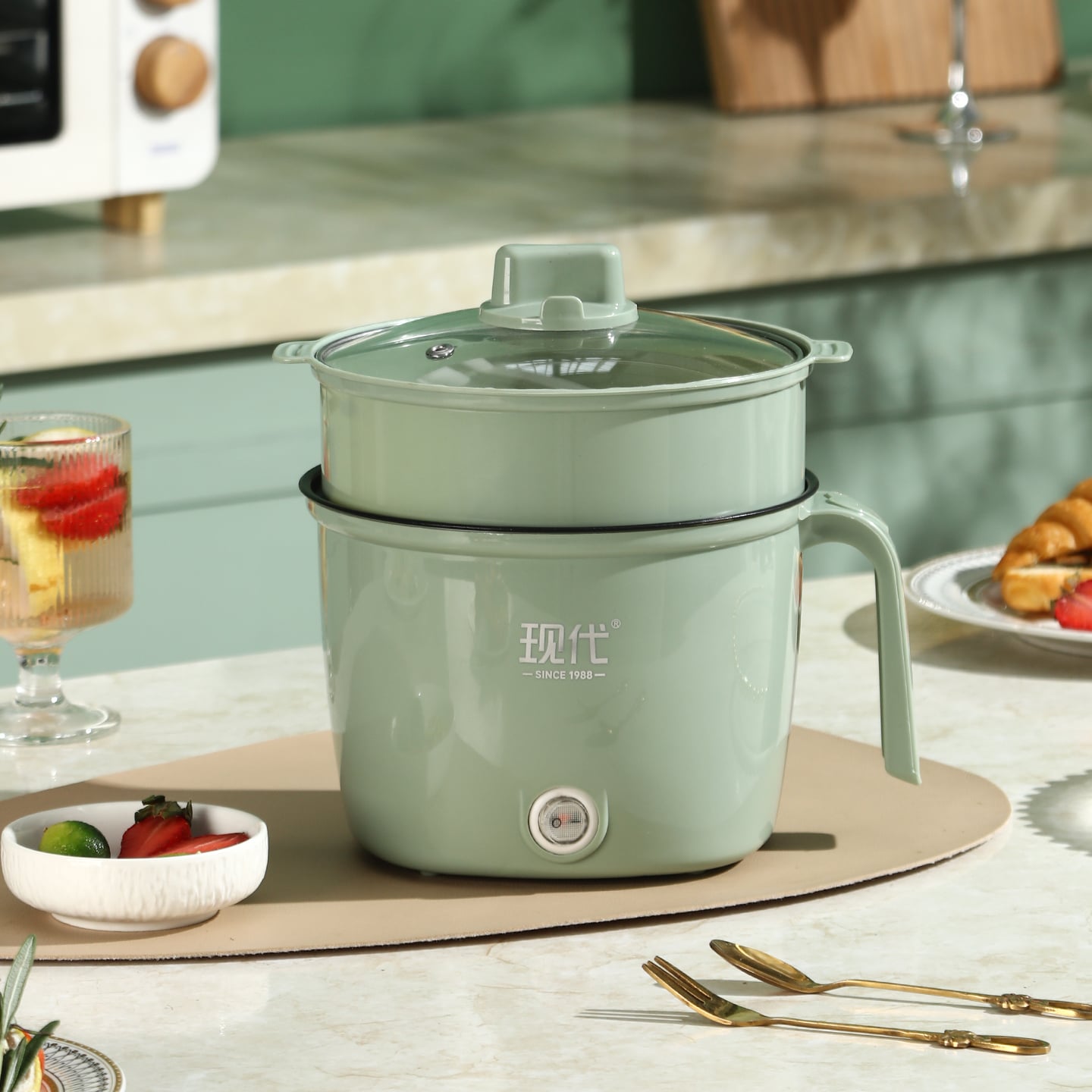
D’fhéadfadh sé seo náire a shábháil níos mó ná sé chasadh ar scubaireacht gach bliain do theaghlaigh a bhíonn ag cócaireacht uair sa lá. Ní gá dúinn uirlisí glanaithe a úsáid a bheadh in ann an pott a scriosadh, mar sin bíonn an pott go maith agus bíonn an éifeacht gan adhadh air ar feadh céadta cíclí cócaireachta. Tá méara níos lú de phlúr glanaithe de dhíth freisin ar ghlanadh laethúil.
Cócaireacht le beagán ola a thacaíonn le dietí sláintiúla don chroí
Is é an buntáiste is mó a bhaineann le cócaireacht gan adhadh ná go bhfuil sé féidir linn cócaireacht a dhéanamh le beagán nó gan aon ola. Tugann breiseadh ola cócaireachta breiseadh saill mhísháiteáilte agus calraí. Nuair nach mbíonn iasc agus glasraí ag adhadh don pott, is féidir linn bia steameáilte agus bia a chócaireacht gan aon im nó greasa a chur leis.
Tá timpeall 120 calraí ar lár ag sábháil amháin spúnóg ola in aghaidh an bhia, rud a dhéanann difríocht mór maidir le rialú meáchan. Tacaíonn treoracha diéite USDA le cócaireacht le beagán ola chun sláinte an chroí a chosaint.
Taispeánann athbhreithniú taighde go bhfuil teaghlaigh a úsáideann pottanna gan adhmad ag sábháilteacht 30% ar an meán i dtomhas na hoiléige. D’aimsigh triail dhaoine a dhiúltaíodh ar seisear mí go raibh úsáideoirí pottanna leictreacha gan adhmad ag ithe 8,2 grám níos lú de thiontú gach lá, le tuilleadh ná 70 calóirí ina lae. Tá hábhair mhaithe a ithe níos éasca a choinneáil gan an disiplín féin breise.
Feidhmíocht an Churtha: Cearamaic VS PTFE do Phottanna Leictreacha
Tá dhá rogha curtha ar fáil go forleathan do phottanna leictreacha, agus tá treabhanna soiléir ag gach ceann acu.
Is féidir leis an gcúrtha cearamaic teochtaí ard os cionn 450°C a sheasamh agus níl aon PFAS ann. Ach ní féidir leis an struchtúr crua a sheasamh agus a bheith á úsáid go minic ag teas íseal. Déanann an leathnú teochta beaga críche beaga a chruthú go gradamach. Tar éis bliain nó dhó úsáideanna miniceacha, tosaíonn an bia ag adhmadú go dona.
Tá struchtúr mhóilíneach shainiúil ag PTFE a fhorchurtha, a ghlacann go maith le hathruithe minic teochta. Coimeádann sé feidhm neamh-ghlúine stábil tar éis míleanna cíclithe teachta. Tá an PTFE nuachóirithe nua ag fheabhsú mór le haghaidh an t-ádhais agus ag réiteach an mhoillteachta a bhaineann le cur chuige bog traidisiúnta. Tugann sé saol seirbhíse faide ná cur chuige céaramach ghunna do chogánaithe laethúla fadtéarmach.
Teorainn Phraiticiúil an Chur Chuige nach bhfuil PFAS ann
Roghnaíonn go leor cheannaítoirí cur chuige céaramach nach bhfuil PFAS ann mar gheall ar chúiseanna sláinte. Tá an cuma glan seo ar an ndroim lárnach de na táirgí gan bhréagadh seo ag an tosaigh. Mar sin féin, is lú an cumas coscach a bhaineann leo i gcomparáid le PTFE ar ardchaighdeán. Tá an cur chuige ag aois a dhéanamh níos tapúla faoi théamh cícilteach, mar sin ní mór an pott a athsholáthar níos minice. Faoin am seo, caithfidh na ceannaítoirí roghnú idir foirmle ina bhfuil an t-éiscir agus nach bhfuil bréagadh ann agus feidhmchláir fhadtéarmach.
Ceisteanna Coitianta
Conas a díríonn cur chuige neamh-ghlúine ar chíclithe teochta agus fuaraithe atá déanta go minic?
Coinníonn leathraicí ar ardchaighdeán dromchla ghláin neamh-ghníomhach faoi athruithe teochta. Cuiríonn sé stop ar bhia ag adhesiú fiú tar éis míle cícle teochta gan laghdú ar a bheidh ina dhiaidh sin.
An mbainfidh pottanna le leathraicí neamh-adhesiúla leictreach an-bhéas i mbia níos cothrom?
Tá. Oiriúnóidh an leathraicí an t-iompar teasa agus laghdaíonn sé na pointí te, mar sin ní dhéanfar bia a dóiríocht go páirteach mar shampla rís, stobhach agus bia a bhíonn á chur i gcrothlán.
An bhfuil caithníní le leathraicí neamh-adhesiúla níos fusa le nigh ná caithníní mialta?
Tugann sonraí triail léi go dtógann sé 15 soicind amháin chun é a ghlanadh le cloigín. Tógann caithníní de staenlís agus alúmanaim i bhfad níos faide le scuabadh as na fuílleacha adhesiúla.
An féidir le dromchlaí neamh-adhesiúla cabhrú le bia a dhéanamh le lagan calaraithe?
Go cinnte. Is féidir linn bia a dhéanamh gan ola a chur leis. Dearcann taighde cliniciúil go héifeachtach é seo ag laghdú ar an iomarca saill agus ar an iomarca calaraithe gach lá chun sláinte an chroí a fheabhsú.
Cé acu an leathraicí atá faoi bhun, an cearamaic nó an PTFE, atá faoi bhun níos faide?
Tá leathraicí cearamaic an-éasca le crackáil faoi chícilteanna teochta minice. Tá an PTFE a thángthar ar ais níos saineolais agus tá sé faoi bhun níos faide do thionchar leictreach.
An bhfuil leathraicí nach bhfuil PFAS iontu chomh feabhasta le PTFE?
Tá an t-éadach céaramach reatha saor ó PFAS níos measa i leith tuirse. Bíonn siad níos lú gan adhmad ná an t-éadach PTFE ar aird ard i bhfad níos luaithe.
Do cheistí, téigh i dteagmháil le:
Leah Lin
Wechat/Whatsapp:+86 18098121508
Ríomhphost: [email protected]
Theta
+86 18029859881
[email protected]
Nóta: Líon isteach an fhoirm agus cuir do uimhir theileafóin ann, nó téigh i dteagmháil go díreach le haghaidh dár ndíoltóirí
Leah Lin
Wechat/Whatsapp:+86 18098121508
Ríomhphost: [email protected]
Theta
+86 18029859881
[email protected]
Nóta: Líon isteach an fhoirm agus cuir do uimhir theileafóin ann, nó téigh i dteagmháil go díreach le haghaidh dár ndíoltóirí