
 EN
EN
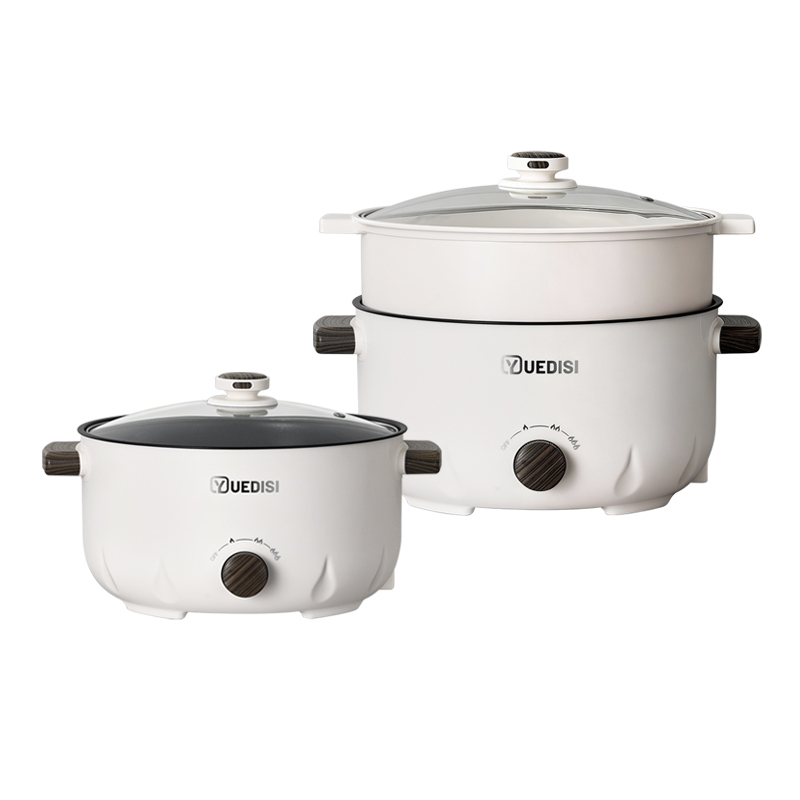
Τελική Αγγλική Έκδοση (Βελτιστοποιημένη για SEO & EEAT)
Τίτλος: Ρυθμίσεις Ισχύος Ηλεκτρικής Κατσαρόλας για Υδροβράσιμα – Συντονισμός Ισχύος με Τεχνικές Μαγειρέματος για Καλύτερα Αποτελέσματα
Περιγραφή Meta: Δεν είναι όλες οι ηλεκτρικές κατσαρόλες για υδροβράσιμα ίσες. Μάθετε πώς οι ρυθμίσεις χαμηλής, μεσαίας και υψηλής ισχύος επηρεάζουν τον χαμηλό βρασμό, το βρασμό και το σοτάρισμα — και γιατί ο έλεγχος θερμοκρασίας με αισθητήρα έχει μεγαλύτερη σημασία από την ισχύ μόνο.
Ο Χαμηλός Βρασμός που Δεν Ξεχείλισε Ποτέ – Μια Ανακάλυψη Οικιακού Μάγειρα
Μια οικιακή μαγείρισσα στο Σιάτλ αγωνιζόταν με το ηλεκτρικό της κατσαρόλι για μήνες. Τα ζωμάδια έβραζαν υπερβολικά, η σοκολάτα έπαιρνε κόμπους και τα τηγανητά έβγαιναν βραστά αντί για καψαλισμένα. Υπέθεσε ότι η συσκευή ήταν απλώς ανεπαρκώς ισχυρή. Μετά αναβάθμισε σε ένα μοντέλο με έξι διακριτές ρυθμίσεις ισχύος και ενσωματωμένο αισθητήρα θερμοκρασίας. Το ρύθμισε σε 300 W για ένα ευαίσθητο ζωμάδι ψαριού — και για πρώτη φορά, το υγρό παρέμεινε λίγο κάτω από το βρασμό, εξάγοντας τη γεύση χωρίς να γίνεται θολό. Το ίδιο κατσαρόλι, ρυθμισμένο σε 1500 W, παρήγαγε την επόμενη μέρα μια τέλεια καψαλισμένη στέικ. Η μόνη διαφορά ήταν ο έλεγχος.
Αυτή η εμπειρία είναι πιο συνηθισμένη από όσο πιστεύουν οι περισσότεροι αγοραστές. Τα τελευταία τέσσερα χρόνια, οι κριτικοί εξοπλισμού κουζίνας έχουν παρατηρήσει ότι η κατανόηση των ρυθμίσεων ισχύος είναι ο μεγαλύτερος παράγοντας για την επίτευξη αποτελεσμάτων επαγγελματικού επιπέδου από ένα ηλεκτρικό κατσαρόλι. Δεν πρόκειται για το να έχεις την υψηλότερη ισχύ σε βατ — πρόκειται για την αντιστοίχιση του κατάλληλου επιπέδου ισχύος με την κατάλληλη εργασία.
Χαμηλής ισχύος βρασμός (200–400 W) – Ήπια θερμότητα για ζωμούς, σάλτσες και τήξη
Ένα ηλεκτρικό κατσαρολάκι λειτουργίας 200–400 W παρέχει σταθερή, ήπια θερμότητα—ιδανική για εργασίες που απαιτούν θερμική ακρίβεια. Αυτό το εύρος διατηρεί θερμοκρασίες λίγο κάτω από το σημείο βρασμού, επιτρέποντας στους ζωμούς και τα κατάστρωμα να εκχυλίζουν την γεύση τους αργά, χωρίς να θολώνουν ή να καίγονται. Είναι επίσης ιδανικό για την ομαλή τήξη σοκολάτας, βούτυρου ή τυριού, αποφεύγοντας τον διαχωρισμό που προκαλείται από υψηλότερη θερμότητα.
| Έργο | Συνιστώμενη ισχύς | Γιατί Λειτουργεί |
|---|---|---|
| Βρασμός ζωμού | 200–300W | Αργή εκχύλιση γεύσης, χωρίς θόλωμα |
| Τήξη σοκολάτας | 250–350 W | Προλαμβάνει το κάψιμο ή τον διαχωρισμό |
| Διατήρηση της τροφής ζεστή | 200W | Διατηρεί ασφαλή θερμοκρασία παροχής χωρίς μαγείρεμα |
| Συρρίκνωση σάλτσας | 300–400W | Ελεγχόμενη εξάτμιση, χωρίς κάψιμο |
Για σάλτσες, αυτή η χαμηλή, σταθερή ενέργεια εμποδίζει τη γρήγορη συρρίκνωση και το κάψιμο, προσφέροντάς σας χρόνο να ανακατεύετε και να βελτιώνετε τη συνοχή. Όταν διατηρείτε τα φαγητά ζεστά για σερβίρισμα, λειτουργεί σαν ενσωματωμένη επιφάνεια θέρμανσης—διατηρώντας τα πιάτα ασφαλή και ευχάριστα στη γεύση χωρίς υπερμαγείρεμα. Πολλοί οικιακοί μάγειρες εξαρτώνται από αυτή τη ρύθμιση για το φοντουέ, όπου ομοιόμορφος έλεγχος της θερμοκρασίας είναι απαραίτητος για τη διατήρηση της υφής. Σε μοντέλα υψηλής ποιότητας, οι αισθητήρες οδηγούν τον έλεγχο, παλμίζοντας την ενέργεια προς το θερμαντικό στοιχείο, περιορίζοντας τις διακυμάνσεις της θερμοκρασίας σε λιγότερο από 5°C—καθιστώντας τη ζώνη 200–400 W μια λειτουργική εναλλακτική λύση για αργό μαγείρεμα.
Βρασμός μεσαίας ισχύος (600–900 W) – Βελτιστοποιημένος για ζυμαρικά, ντάμπλινγκς και γρήγορο ατμό
Το εύρος 600–900 W αποτελεί την κύρια λειτουργία της συσκευής: αρκετά γρήγορο για να βράσει το νερό σε λιγότερο από έξι λεπτά, αλλά επαρκώς αποδοτικό ώστε να αποφεύγεται η υπερβολική κατανάλωση ενέργειας. Είναι ιδανικό για μακαρόνια, ραμέν ή πετσετάκια—όπου ο χρόνος επηρεάζει την υφή—και ανακτά γρήγορα τη θερμότητα όταν προστίθενται καλάθια για ατμό, διατηρώντας την τραγανάδα των λαχανικών ή του ευαίσθητου ψαριού.
| Έργο | Συνιστώμενη ισχύς | Κύρια οφέλη |
|---|---|---|
| Βρασμός μακαρονιών/νουντλς | 700–900 W | Γρήγορο βρασμό, κατάλληλη υφή |
| Ατμός λαχανικών | 600–800 W | Διατηρεί την τραγανότητα |
| Επιφανειακή τηγανισιά | 800W | Ροδίζει χωρίς να καίει τα αρωματικά |
| Βάση σούπας σε μία κατσαρόλα | 600–900 W | Δημιουργεί γεύση από το μηδέν |
Αυτή η λειτουργία υποστηρίζει επίσης απαλό τηγάνισμα και μαγείρεμα με λίγο λάδι: αρκετό για να ροδίσει τα συστατικά χωρίς να καεί αμέσως αρωματικά όπως σκόρδο ή τζίντζερ. Η πολυτέλειά της φαίνεται σε μαγειρέματα σε ένα μόνο σκεύος — από τη δημιουργία βάσης για σούπα hot pot από το μηδέν έως την προετοιμασία μιας οικογενειακής ποσότητας udon ή ρυζόνημα, διατηρώντας την κουζίνα ψυχρότερη από ένα πλήρες εσπερινό μαγειρικό μηχάνημα. Η λεπτομερής ρύθμιση — συχνά σε βήματα των 100 W — επιτρέπει ακριβή προσαρμογή στο πάχος των νημάτων, από τα λεπτότατα «angel hair» έως τα παχιά udon.
Ισχυρή Μαγείρευση για Σκούρο Χρώμα (1000–1800 W) – Επιτρέπει μαγείρεμα στην κινεζική στυλ wok και σκούρο χρώμα στεάκ.
Στα 1000–1800 W, το ηλεκτρικό κατσαρολάκι μετατρέπεται σε σταθμό μαγειρικής υψηλής θερμότητας ικανό να αναπαράγει το επαγγελματικό «wok hei». Οι θερμοκρασίες επιφάνειας μπορούν να ξεπεράσουν τους 240 °C σε δευτερόλεπτα, προκαλώντας την αντίδραση Maillard για ένα βαθύ, αλμυρό κρούστα σε στεάκ ή κομμάτια κρέατος. Αυτή η ένταση εγκλωβίζει την τραγανάδα των λαχανικών ενώ προσδίδει ελαφριά καπνιστή χροιά — απαραίτητη για αυθεντικό μαγείρεμα στην κινεζική στυλ wok.
| Έργο | Συνιστώμενη ισχύς | Αποτέλεσμα μαγειρικής τέχνης |
|---|---|---|
| Σκούρο χρώμα στεάκ | 1500–1800W | Πλούσια κρούστα, αντίδραση Maillard |
| Τηγάνισμα με ανακάτεμα | 1200–1500 W | Καπνιστή γεύση wok hei, τραγανά λαχανικά |
| Επίτευξη της γεύσης wok hei | 1500–1800W | Απαραίτητη για αυθεντικό κινεζικό τηγάνισμα με ανακάτεμα |
| Την παρασκευή μεγάλων ποσοτήτων | 1500W | Διατηρεί τη θερμότητα μεταξύ παρτίδων |
Επιτρέπει επίσης ομοιόμορφη καύσιμη σκλήρυνση παχιών κομματιών πριν από την ολοκλήρωση σε χαμηλότερη ισχύ, μιμούμενη εστία δύο ζωνών. Τα κορυφαία μοντέλα με λειτουργία ενίσχυσης φτάνουν στιγμιαία τα 1800 W, μειώνοντας τον χρόνο προθέρμανσης σε λιγότερο από 90 δευτερόλεπτα. Πιο σημαντικά, η διατήρηση υψηλής ισχύος εξασφαλίζει θερμική σταθερότητα σε διαδοχικές παρτίδες—κρίσιμη για το ρύζι τηγανητό ή επαναλαμβανόμενα τηγανήματα χωρίς καθυστέρηση ψύξης. Για τους οικιακούς μαγείρους που επιδιώκουν υφή και χρώμα όπως στα εστιατόρια, μια πραγματική τάξη ισχύος 1500–1800 W είναι μεταμορφωτική—εφόσον η επιφάνεια των σκευών μαγειρικής (π.χ. ενισχυμένη αντικολλητική ή ανοξείδωτο χάλυβα) αντέχει επαναλαμβανόμενες θερμικές κρούσεις.
Θερμική αδράνεια και αυτόματη ρύθμιση θερμοκρασίας με αισθητήρες – Γιατί η ισχύς μόνη της δεν εγγυάται την απόδοση
Τα γρανάζια ισχύος μόνα τους δεν εγγυώνται ακριβή μαγείρεμα—η θερμική αδράνεια σημαίνει ότι η υπόλοιπη θερμότητα παραμένει μετά τη μείωση της ισχύος, προκαλώντας αθέλητο βρασμό ή κάψιμο.
| Πρόκληση | Χωρίς αντιστάθμιση | Με αντιστάθμιση αισθητήρα |
|---|---|---|
| Μείωση από σεϊρ σε αναβρασμό | Συνεχιζόμενος βρασμός, κάψιμο | Η θερμοκρασία μειώνεται ακριβώς στον στόχο |
| Τήξη σοκολάτας | Υπερθερμαίνεται, διαχωρίζεται | Διατηρεί σταθερά 45–50°C |
| Βρασμός ζωμού | Περιστασιακός έντονος βρασμός | Σταθερή λίγο κάτω από τον βρασμό |
| Σταθερότητα Θερμοκρασίας | Ζεστά σημεία, ανομοιόμορφη μαγειρική | Ομοιόμορφη κατανομή, χωρίς ζεστά σημεία |
Τα σύγχρονα υψηλής απόδοσης μοντέλα αντιμετωπίζουν αυτό το πρόβλημα με αισθητήρες που ελέγχουν τη θερμοκρασία. Ενσωματωμένοι αισθητήρες NTC θερμίστορ στη βάση και στα πλευρικά τοιχώματα μετρούν τη θερμοκρασία κάθε 0,5 δευτερόλεπτο, προσφέροντας δεδομένα σε έναν μικροελεγκτή που εκτελεί αλγόριθμο PID. Αυτό το σύστημα ρυθμίζει δυναμικά την ισχύ — για παράδειγμα, εναλλάσσοντας μεταξύ 200 W και 400 W — για να διατηρήσει μια ζωμούλα σε σταθερή θερμοκρασία 90 °C. Τα προηγμένα μοντέλα χρησιμοποιούν πολλαπλούς αισθητήρες για να εξασφαλίσουν ομοιόμορφη κατανομή της θερμότητας και να αποτρέψουν τα ζεστά σημεία. Κατά τη μετάβαση από το τηγάνισμα στεακ στη λιώσιμο βούτυρου, ο ελεγκτής προβλέπει τη θερμική υπερβολή και μειώνει την ισχύ νωρίς. Αυτή η κλειστού βρόχου ανάδραση — όχι η ακατέργαστη ισχύς σε βατ — είναι αυτή που προσφέρει πραγματική ελεγξιμότητα στη μαγειρική, εξαλείφοντας τις εκτιμήσεις και προστατεύοντας ευαίσθητες προετοιμασίες.
Επιλογή του κατάλληλου ηλεκτρικού κατσαρόλιου — Βασικά χαρακτηριστικά σχετικά με την ισχύ
| Χαρακτηριστικό | Σε τι να προσέχετε | Γιατί έχει σημασία |
|---|---|---|
| Πλάτος δύναμης | 200 W έως 1800 W | Υποστηρίζει αργό βρασμό, βρασμό και τηγάνισμα |
| Βήμα ρύθμισης | 5+ διακριτά επίπεδα ισχύος | Παρέχει ακριβή ρύθμιση |
| Αισθητήρας θερμοκρασίας | Αισθητήρας(ες) NTC θερμίστορ στη βάση | Επιτρέπει σταθερά, επαναλήψιμα αποτελέσματα |
| Ετικέτες | «Σιγοβρασμός», «Καύσιμο» (όχι γενικό «Χαμηλό/Μεσαίο/Υψηλό») | Καθιστά τις ρυθμίσεις διαισθητικές |
| Συμβατότητα με σκεύη μαγειρέματος | Ενισχυμένο αντικολλητικό ή ανοξείδωτο χάλυβα | Αντέχει υψηλές θερμοκρασίες και θερμικό σοκ |
Συχνές Ερωτήσεις
| Ερώτηση | Απάντημα |
|---|---|
| Ποιο επίπεδο ισχύος είναι καλύτερο για σιγοβρασμό ζωμού; | 200–300 W για αργή, απαλή εκχύλιση χωρίς να θολώνει ή να βράζει πάνω. |
| Μπορώ να καυστικοποιήσω στήθος μοσχαρίσιου σε ηλεκτρικό κατσαρολάκι; | Ναι. Ρυθμίστε σε 1500–1800 W για πλούσιο, γευστικό φλοιό μέσω της αντίδρασης Maillard. |
| Γιατί η ζωμάτα μου βράζει και πετάει έξω όταν μειώνω την ισχύ; | Η θερμική αδράνεια προκαλεί υπόλοιπη θερμότητα. Επιλέξτε ένα μοντέλο με αισθητήρες που ρυθμίζουν αυτόματα τη θερμοκρασία. |
| Ποιο εύρος watt είναι το πιο ευέλικτο; | Ένα εύρος από 200 W έως 1800 W με πολλαπλά επίπεδα προσφέρει τη μεγαλύτερη ευελιξία για όλες τις τεχνικές μαγειρέματος. |
| Είναι πάντα καλύτερη η υψηλότερη ισχύς; | Όχι. Ένα ευρύ και ελεγχόμενο εύρος είναι πιο σημαντικό από τη μέγιστη ισχύ. Η ακριβής ρύθμιση είναι αυτή που δίνει τα αποτελέσματα. |